Stockal’s Unauthorised Trades: Who Protects Your US Stock Investments?

Finnovate’s editorial team researches and creates financial content using trusted sources, regulatory references and inputs from subject experts.
You bought shares in companies you recognised. Apple. Amazon. Nvidia. You planned to hold them for years.
Then you opened your account and found a different portfolio.
The familiar stocks had been sold. The money had gone into a little-known company you had never chosen.
That is what affected Indian investors have alleged in the Stockal case. Their complaints describe US stock holdings being liquidated without permission and the proceeds used to buy shares of Zhibao Technology, a thinly traded Chinese company listed in the US.
The case raises an uncomfortable question for anyone investing abroad: you may know the companies you own, but do you know who handles your account?
The app on your phone is only the beginning.
What happened in the Stockal case?
Borderless, Stockal’s parent, said its US brokerage and custody partner, DriveWealth, notified it of unauthorised trading on October 15, 2026, during US market hours.
According to Borderless’s November 4 statement, an unauthorised third party appeared to have accessed 26 customer accounts using valid login credentials. In 13 accounts, existing large-cap holdings were sold and the proceeds used to purchase thinly traded microcap securities. Access to the affected accounts was subsequently restricted.
On November 6, the company put the value of securities purchased through these transactions at $6.26 million. That was the purchase value of the disputed trades. Final financial losses remained subject to reconciliation and market movements.
Responsibility remains disputed. Borderless has denied a breach of its own systems and linked the incident to an earlier cybersecurity breach at DriveWealth. DriveWealth has disputed responsibility and said the unauthorised activity occurred through Stockal’s app.
For investors, the immediate concern is straightforward: transactions they say they never approved changed what they owned.
Borderless also said it had found no withdrawals from the affected accounts. But money can remain inside an account while its value falls sharply. Selling a diversified portfolio and buying a concentrated position can expose the investor to an entirely different level of risk.
Withdrawal controls and trading controls protect against different problems.
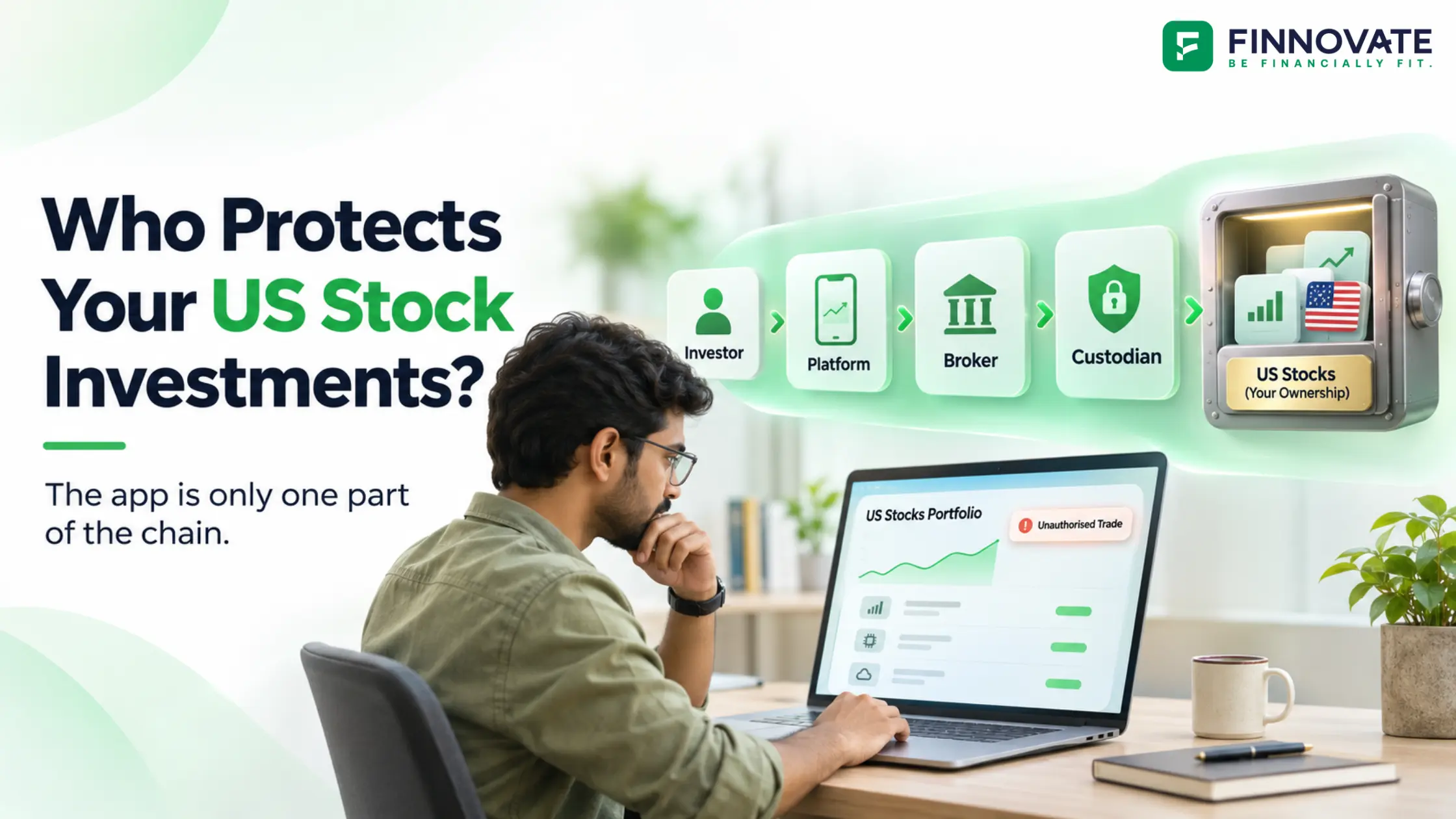
One app, several firms behind it
Buying a US stock can feel much like ordering anything else online. Search, select, pay.
Behind that simple screen, several firms may perform different jobs.
In Stockal’s arrangement, the platform provides the customer interface, Stockal Securities acts as the introducing entity, and DriveWealth provides US brokerage and custody services. Borderless’s own support information identifies DriveWealth as the custodian for international investing accounts.
| Part of the arrangement | What it does | What the investor should establish |
|---|---|---|
| Customer-facing platform | Provides access to the account, orders and portfolio information | Who operates the platform and handles access problems? |
| Introducing entity | Connects the customer to the brokerage arrangement | What responsibilities does its agreement accept? |
| US brokerage and custody provider | Handles brokerage services and holds or records customer assets | Which legal entity carries the account and issues statements? |
| Complaint and dispute process | Provides routes to challenge transactions and seek remedies | Where must a complaint be sent, and how can compensation be pursued? |
Scroll horizontally to view the full table.
These functions can sit with different entities, and arrangements vary between platforms.
The practical point is to identify the firms before something goes wrong. A familiar brand on the opening screen may be only one participant in the service.
Who actually owns the shares?
Custody can sound worrying because someone else holds the securities.
But this is a normal part of investing.
In the US, shares are commonly held in “street name”. An intermediary appears as the registered holder, while the brokerage’s records identify the customer as the beneficial owner. Most US investors hold securities this way.
DriveWealth’s account agreement similarly describes customers’ ownership rights in securities and other assets reflected in its records.
The more useful questions are therefore specific:
Does the account correctly record your ownership? Can you obtain statements? What happens if the app becomes unavailable? How can you transfer eligible holdings or contact the carrying broker?
Then comes a separate question: who can place orders?
An account may correctly record your ownership while still being exposed to unauthorised trading. If someone gains access and submits orders, the problem becomes whether those instructions were valid, how they passed through the system and who must put things right.
That is why custody alone cannot explain the Stockal dispute. Account access, order handling, alerts and the response to suspicious activity also matter.
What happens to investor protection across borders?
For an Indian investor, dealing with several firms can make a complaint harder to pursue.
The platform may be based in India, the brokerage account may be carried in the US, and the account agreement may specify a particular dispute process.
A registration badge on one firm’s website cannot answer every question about the entire arrangement. Investors need to check the legal entity, the service covered by its registration and the remedies available for that service.
US investors have regulatory complaint routes, including FINRA for matters involving its member firms. FINRA also provides arbitration and mediation processes. Its investor guidance distinguishes complaints that alert regulators to possible misconduct from proceedings through which an investor seeks monetary compensation.
That distinction matters. Filing a complaint can start a process, but recovering money may require further steps.
For someone investing from India, understanding those steps beforehand is part of understanding the product.
Does the $500,000 protection cover this?
Some US investing platforms highlight SIPC protection. The headline amount can make it sound like a broad guarantee.
Its purpose is more specific.
The Securities Investor Protection Corporation helps restore eligible customer cash and securities when a member brokerage fails financially. Protection is limited to $500,000, including up to $250,000 for cash, subject to the applicable rules.
Non-US residents and non-US citizens can qualify for the same protection as other eligible customers. However, SIPC does not cover a fall in the market value of investments.
Unauthorised transactions require careful treatment. SEC guidance explains that disputes over such trades can arise when claims are assessed in a broker liquidation. Evidence that the investor promptly challenged the transaction can be important.
SIPC membership alone does not establish that a particular trading dispute will receive a payout. Eligibility, the circumstances of the brokerage failure and the evidence supporting the claim all matter.
For the Stockal case, investors should avoid treating the protection limit as a confirmed compensation amount.
Five checks before your next overseas investment
The useful response is to look beyond fees and the list of stocks available.
1. Identify the firm carrying your account
Find the full legal name of the brokerage and custody provider. Check its registration through the relevant official register and confirm any claimed SIPC membership.
Save the account number and the agreements you accepted. The app’s brand name may differ from the legal entity responsible for carrying the account.
2. Keep records outside the app
Download account statements, trade confirmations and funding records regularly.
Check how to obtain records directly from the carrying broker where that facility is available. Keep the broker’s official contact details somewhere you can access without logging into the investing app.
3. Protect the account and the linked email
Use unique passwords and the strongest authentication options available. Protect the linked email account too, since it may receive password-reset messages and transaction notifications.
Review available login and trade alerts. These measures reduce exposure and help you spot unusual activity, although they cannot eliminate every risk.
4. Challenge unfamiliar trades immediately, in writing
Contact the platform and the carrying broker through verified channels. Ask them to restrict further unauthorised activity and investigate the disputed transactions.
Preserve statements, screenshots, emails, dates, times and complaint reference numbers. State clearly which trades you did not authorise.
FINRA recommends prompt written complaints about unauthorised trades and keeping records of communications with the firm.
5. Understand the route to compensation
Read the complaint and dispute-resolution provisions before funding the account.
Find out which firm handles the initial complaint, which regulator covers that firm and whether the agreement provides for arbitration or another process. A support ticket and a claim for compensation serve different purposes.
Choose the account structure as carefully as the stocks
Direct overseas investing gives investors the ability to choose individual companies. It also gives them an overseas brokerage relationship to understand and monitor.
An international mutual fund offers a different arrangement: the investor owns fund units, while the fund manages the underlying investments. An ETF adds exchange trading, where the price paid also matters. Products offered through an IFSC have their own structures and terms.
Each route deserves examination on its own merits. A different label cannot substitute for checking ownership, costs, access and complaint procedures.
The Stockal case brings those questions into focus. Investors can spend hours studying a company’s earnings and still overlook the account through which they buy it.
Before asking what to buy abroad, establish who holds it, who can trade it and where you can turn if a transaction happens without your permission.
Disclaimer: This article is for general information and education. It is not a recommendation to buy, sell or use any investment product or platform. Allegations and company statements described here remain subject to investigation and determination by the relevant authorities. Investor protections and remedies depend on the account terms, applicable law and individual circumstances.