Can India Build the Hardware Behind the AI Boom?
Explore India’s AI hardware opportunity through the proposed Adani–Jabil venture, from...
14 October 2026

Finnovate’s editorial team researches and creates financial content using trusted sources, regulatory references and inputs from subject experts.
India's quick-commerce story is no longer simply about how quickly Blinkit, Zepto or Instamart can deliver groceries.
The market itself is changing.
Quick commerce reached roughly $13-14 billion of GMV in FY26, according to Redseer, while dark stores are now present across as many as 477 Indian cities according to a recent CLSA report.
But those numbers can be misleading if read in isolation.
A quick-commerce store in Bengaluru does not necessarily operate under the same economics as one in Gorakhpur or another smaller city. And Amazon's idea of fast commerce increasingly looks very different from the original dark-store model.
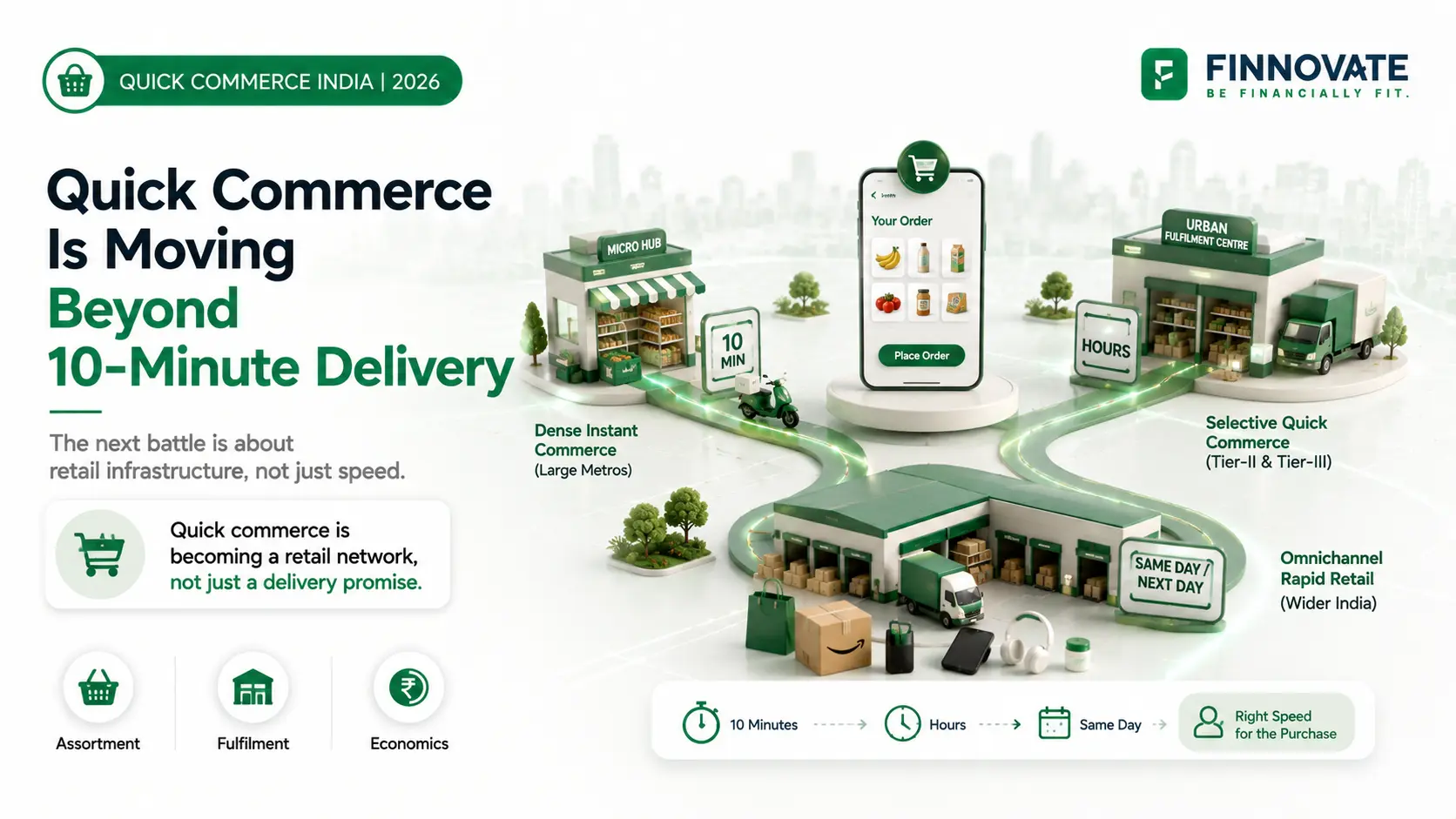
A useful way to understand that change is through three emerging layers.
| Emerging Layer | Typical Market | What Matters Most |
|---|---|---|
| Dense instant commerce | Large metros | Speed, order density, assortment |
| Selective quick commerce | Tier-II and Tier-III markets | Catchment economics, local demand, efficient expansion |
| Omnichannel rapid retail | Wider India | Minutes, hours and same-day fulfilment using multiple infrastructure types |
Table of Contents
The first phase of quick commerce was easy to understand.
You ran out of milk, needed vegetables or wanted a packet of chips. A dark store close to your home could fulfil the order and a delivery partner could reach you in around 10-15 minutes.
That model worked particularly well in dense urban areas.
But today's platforms increasingly sell electronics, beauty products, books, fashion, toys, sports products, premium food, home products and small appliances.
Blinkit now spans categories from groceries and electronics to fashion and sports. As of June 2026, it had more than 2,400 stores across 300+ cities.
Amazon is also building larger Urban Fulfilment Centres that can stock four times the assortment of smaller Amazon Now facilities, adding categories such as apparel, jewellery, footwear, furniture and electronics.
The original quick-commerce model is not disappearing. In large urban markets, it may become even stronger.
But competition is changing.
Blinkit ended June 2026 with 2,443 stores. Its Q1 FY27 net order value reached ₹17,132 crore, up 86% year-on-year.
More importantly, Blinkit reported adjusted EBITDA of ₹102 crore, versus a ₹162 crore loss a year earlier. Adjusted EBITDA margin reached 0.6% of NOV.
That matters because quick commerce was once defined largely by aggressive expansion and losses.
Its average order value remained around ₹518, which suggests the opportunity is increasingly about becoming a frequent shopping habit rather than simply pushing customers toward larger baskets.
Speed still matters. But once several competitors can deliver quickly, shaving another two minutes off delivery time becomes less powerful as a differentiator.
The competition increasingly shifts toward:
Blinkit is also investing more heavily in infrastructure. Eternal now assumes around ₹2.5 crore of capex per Blinkit store including associated warehousing, versus about ₹1 crore previously, as stores become larger and carry broader assortments.
The 477-city headline becomes more interesting once we look at how expansion is happening.
CLSA says companies are increasingly starting with smaller dark-store networks in newer cities, testing demand and unit economics before deciding how aggressively to scale.
A smaller city may have lower order density, different product preferences, lower rents, wider catchments and stronger competition from local retailers.
The economics therefore need to be tested city by city.
Flipkart Minutes crossed 1,000 micro-fulfilment centres across 130+ cities and 8,000+ pincodes in June 2026.
The company said total orders had grown five times year-on-year, while its Tier-II and Tier-III business had scaled 42 times. The latter should be read carefully because it comes from a smaller base and also reflects rapid network expansion.
Its 1,000th micro-fulfilment centre was opened in Gorakhpur, highlighting how seriously the company is taking non-metro demand.
Flipkart also enters these cities with existing customers, seller relationships, logistics infrastructure, brand recognition and years of purchase data.
Amazon may be the clearest example of where the model could go next.
Amazon plans to expand Amazon Now to more than 300 Indian cities.
But its real advantage is not simply having capital to build dark stores. It already operates multiple delivery speeds simultaneously.
Amazon says its Indian network can offer:
That creates a different model.
Milk may need to arrive in minutes. A laptop charger might arrive within hours. A niche product can arrive tomorrow.
Its new Urban Fulfilment Centres are larger than Amazon Now's micro-fulfilment centres and offer four times more selection.
Amazon plans more than 100 of these facilities.
Reliance may have one of the most interesting infrastructure advantages in the market.
As of June 30, 2026, Reliance Retail operated 20,169 physical stores across India.
JioMart's hyperlocal network uses more than 3,100 stores, reaches over 5,100 pincodes and serves more than 1,200 cities.
A pure quick-commerce player often has to build a network from scratch:
lease location → stock inventory → hire staff → acquire customers → build order density.
Reliance can potentially begin with:
existing store → existing inventory → existing supply chain → add digital orders and faster fulfilment.
Traditional stores are not always as efficient for rapid picking as purpose-built dark stores. But outside very dense urban markets, using existing retail infrastructure could improve the economics of fast delivery.
Quick-commerce businesses increasingly want greater control over inventory.
Blinkit has already moved substantially toward an inventory-led structure.
Swiggy is also moving Instamart toward inventory ownership, which can give the company greater control over procurement, pricing, wastage and product mix, although it also requires more working capital.
Why would platforms want to own inventory?
The irony is striking.
This may be the most important structural shift.
Blinkit is already adjusted-EBITDA positive.
Instamart's Q1 FY27 gross order value reached ₹7,907 crore, up around 40% year-on-year. Its contribution margin improved to around -0.2%, and it reached contribution breakeven during May.
At June-end, Instamart had 1,171 stores across 131 cities.
The direction nevertheless shows where management attention is moving.
How fast can we acquire customers and expand store count?
How much gross profit and contribution can each order, store and city generate?
It may not simply be the company with the most dark stores.
More orders from each catchment improve delivery and store economics.
A platform that solves more shopping needs can capture more customer spending.
The right products must be placed in the right neighbourhoods when storage space is limited.
Fast delivery only works as a business when incremental orders create value.
Dark stores, physical stores and larger hubs may each work best in different markets.
Frequent app usage creates far more value than occasional emergency purchases.
Quick commerce started as a distinct proposition:
groceries in 10 minutes.
It is gradually becoming something broader:
Blinkit and Instamart are widening assortment and improving unit economics.
Flipkart is taking micro-fulfilment deeper into smaller cities.
Amazon is combining minutes, hours, same-day and next-day infrastructure.
Reliance can connect digital ordering with one of India's largest physical retail networks.
The industry therefore may not converge around one winner or even one business model.
Redseer estimates India's quick-commerce market reached approximately $13-14 billion of GMV in FY26, equivalent to around 17% of online retail GMV.
A recent CLSA report said quick-commerce dark stores were present across approximately 477 cities in India. Presence and store density differ significantly from city to city.
No. Major platforms increasingly sell electronics, beauty products, fashion, books, appliances, toys and other categories alongside groceries and daily essentials.
Blinkit reported ₹102 crore of adjusted EBITDA in Q1 FY27. This is an adjusted operating profitability measure and should not be confused with Eternal's consolidated net profit.
Instamart reached contribution breakeven during May 2026 and reported a Q1 FY27 contribution margin of around -0.2% of GOV. It still reported an adjusted EBITDA loss after wider costs.
There is no evidence that fast delivery is disappearing. The more likely evolution is that platforms use different infrastructure and delivery speeds depending on city density, product type and customer economics.
It is an analytical framework, not an official industry classification. It describes dense instant commerce in metros, selective quick commerce in smaller cities and omnichannel rapid retail using multiple fulfilment formats and delivery speeds.
Disclaimer: This article is for educational and informational purposes only. References to companies, operating metrics and business strategies are based on publicly available information as of September 1, 2026 and are not stock recommendations or predictions of future business performance. Business strategies, market shares, profitability and expansion plans may change over time.
No spam. Only new posts, simple explainers, and practical money checklists for busy professionals.
Finnovate is a SEBI-registered financial planning firm that helps professionals bring structure and purpose to their money. Over 3,500+ families have trusted our disciplined process to plan their goals - safely, surely, and swiftly.
Our team constantly tracks market trends, policy changes, and investment opportunities like the ones featured in this Weekly Capsule - to help you make informed, confident financial decisions.
Learn more about our approach and how we work with you:
No comments yet. Start the conversation. What would you add?
No spam. Only new posts, simple explainers, and practical money checklists.
You may also like
Explore India’s AI hardware opportunity through the proposed Adani–Jabil venture, from...
India’s CPI inflation rose to 5.54% in September 2026. Compare monthly trends, food pric...
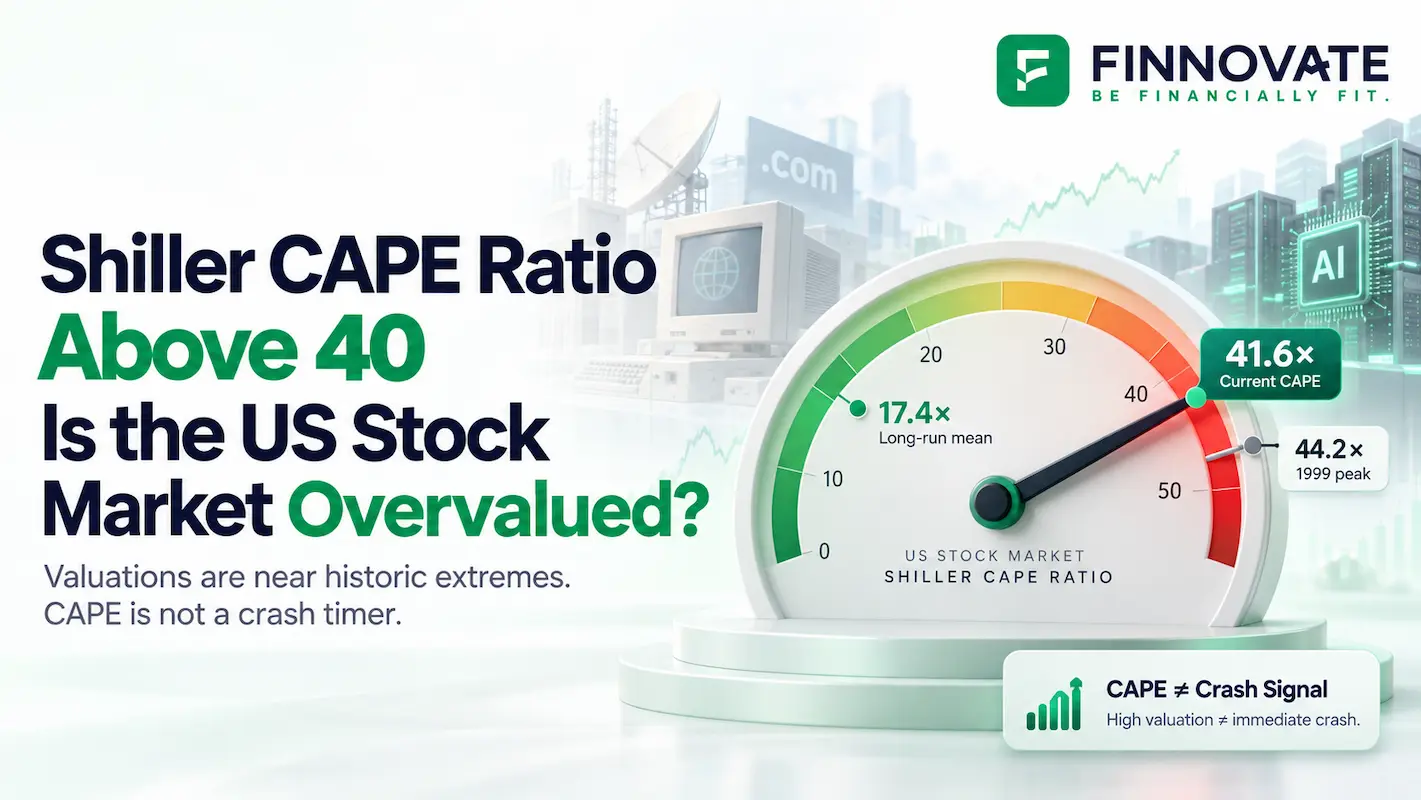
The Shiller CAPE ratio is near its 1999 peak. Explore what it means for US stock valuation...
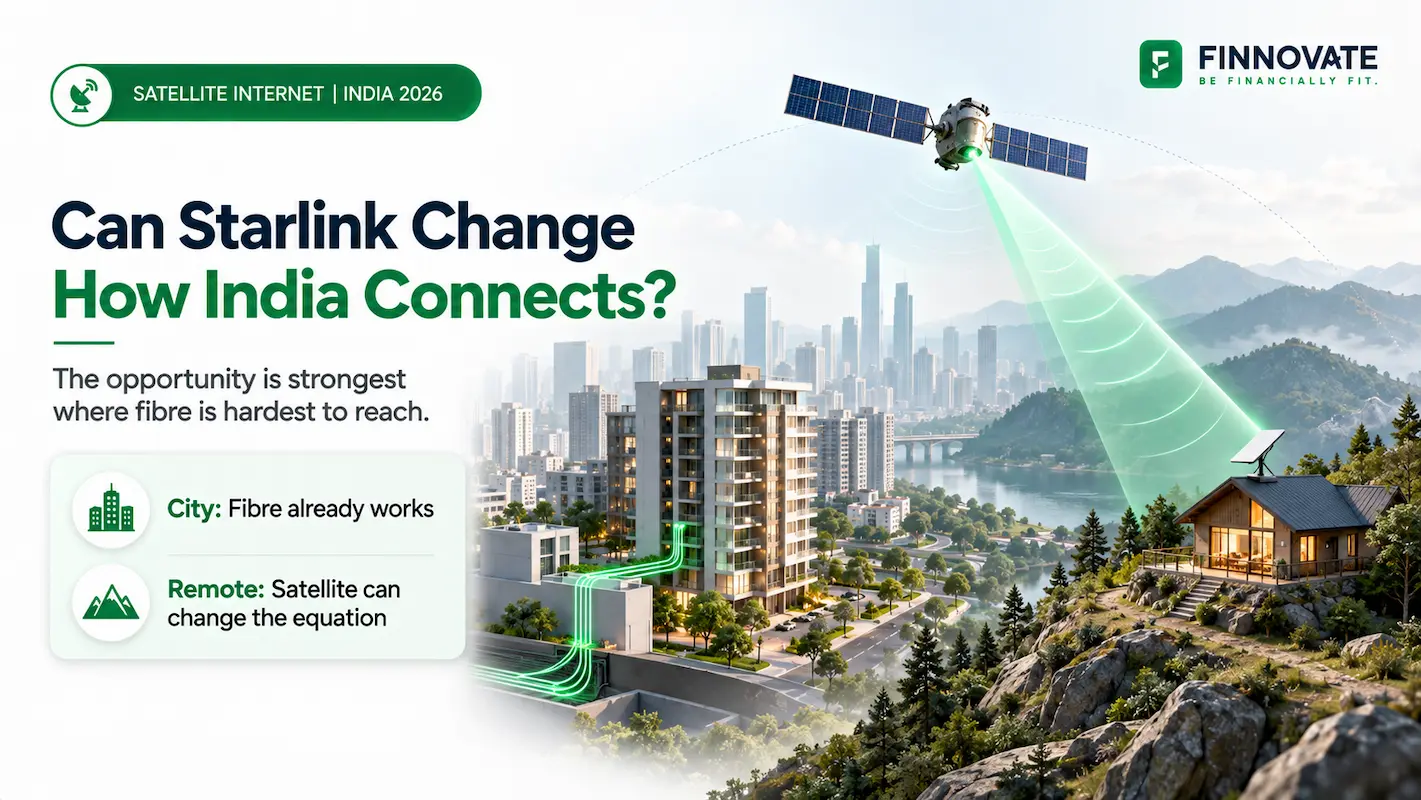
Can Starlink change internet access in India? Explore why Jio and Airtel signed deals, how...
Popular now

Learn how to easily download your NSDL CAS Statement in PDF format with our step-by-step g...
Looking for the best financial freedom books? Here’s a handpicked 2026 reading list with...
Learn what SIF investment means in India, SEBI rules, Rs 10 lakh minimum investment, avail...
Clear guide to mutual fund taxation in India for FY 2025–26 after July 2024 changes: equ...