Succession Laws in India: Hindu, Muslim & Christian Inheritance Explained
No Will means succession law decides who inherits - and it differs by religion.
Estate planning learning centre
Understand Wills, nominations, inheritance laws, property transfers and family trusts. Find the guides that fit your family's assets and situation.
10 guides on Wills, succession, nominations and trusts, newest added May 7, 2026.
Start here
What estate planning means in India, the documents involved, and the order in which a family usually puts them in place.
Read the guideAlso read: Why You Need a Will in India
Five groups, each with one guide to read first and one or two to go deeper. Succession rules depend on the personal law that applies to your family, so read before you decide.
Who inherits when there is no Will, and why the answer differs between Hindu, Muslim and Christian families.
Succession rules depend on the personal law that applies to the family. These guides explain the rules; they do not calculate shares.
No Will means succession law decides who inherits - and it differs by religion.
Nominations, joint holdings and powers of attorney each do a different job, and none of them replaces a Will.
These documents serve different purposes. Read the guide to understand how they interact before relying on any one of them.
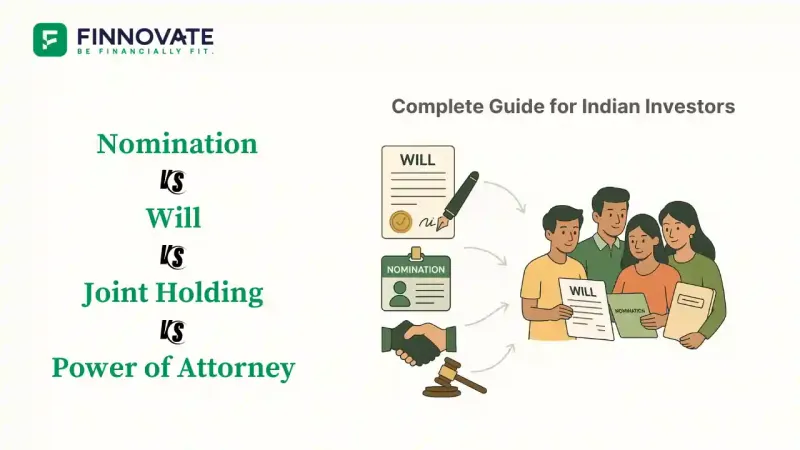
List what your family may need to findConfused about the difference between a nominee, a will, joint holding, and power of attorney?
How to draft a valid Will, what to include, and how to choose the person who will carry it out.
Writing a Will in India? This clause-by-clause guide gives exact language for each section: residuary clause, contingency, executor, and witnessing rules.
Transferring during your lifetime or after it, and what the courts need to see.
A gift deed is generally a transfer made during your lifetime. Probate concerns proving and administering a Will after death. They are not two steps of one process.
Learn how Gift Deed, Settlement Deed, and Will differ in India - their timing, legal effect, taxation, and when to use each for smooth wealth transfer.
Family trusts, digital and crypto assets, and estates that span more than one country.
A trust suits some families and not others. It does not by itself prevent disputes or remove tax.
A private family trust protects dependents, avoids probate, and keeps assets out of dispute.
An inventory is a plain list of what exists and where the paperwork is. It is not a Will, not a legal declaration and not an assessment of how ready your estate is. It simply saves your family weeks of searching.
For each item, note
Keep this list offline or with your adviser. This page does not ask for, store or send any of it: no account numbers, balances, passwords, keys or names of heirs.
Finnovate's Estate Readiness Checklist is a separate assessment on the advisory page.
Every guide in the Estate Planning category, newest first.
Explore Finnovate's estate planning services, including document reviews and coordination with legal professionals where required. The guides on this page are educational and not legal advice for your situation.
Explore estate planning services