
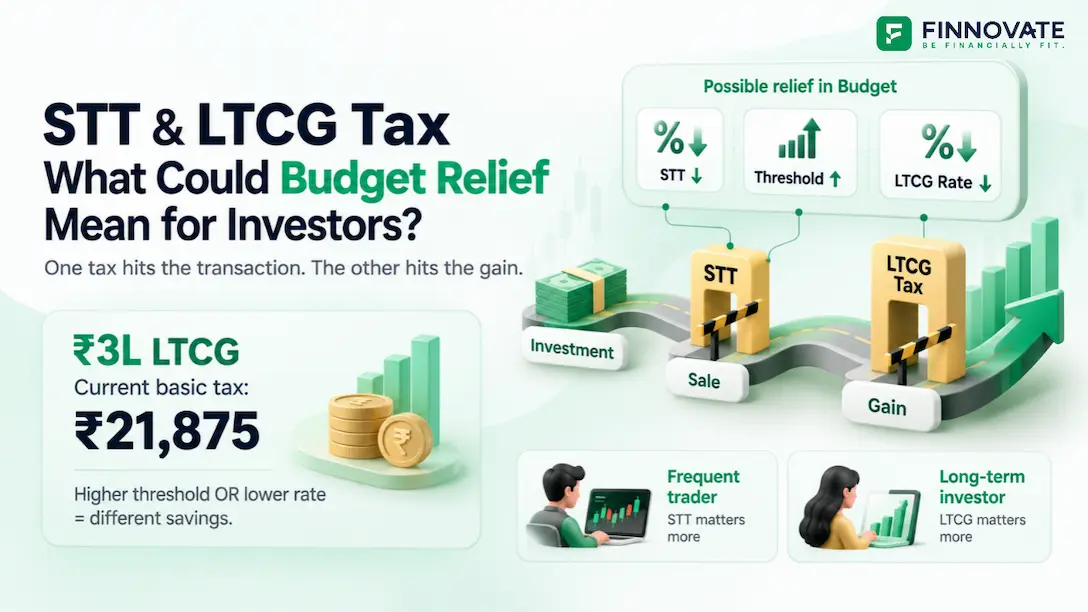
STT and LTCG Tax: What Budget Relief Could Mean for Investors
Understand how STT cuts, a higher LTCG exemption or lower capital gains tax could affect i...
19 October 2026

Finnovate’s editorial team researches and creates financial content using trusted sources, regulatory references and inputs from subject experts.

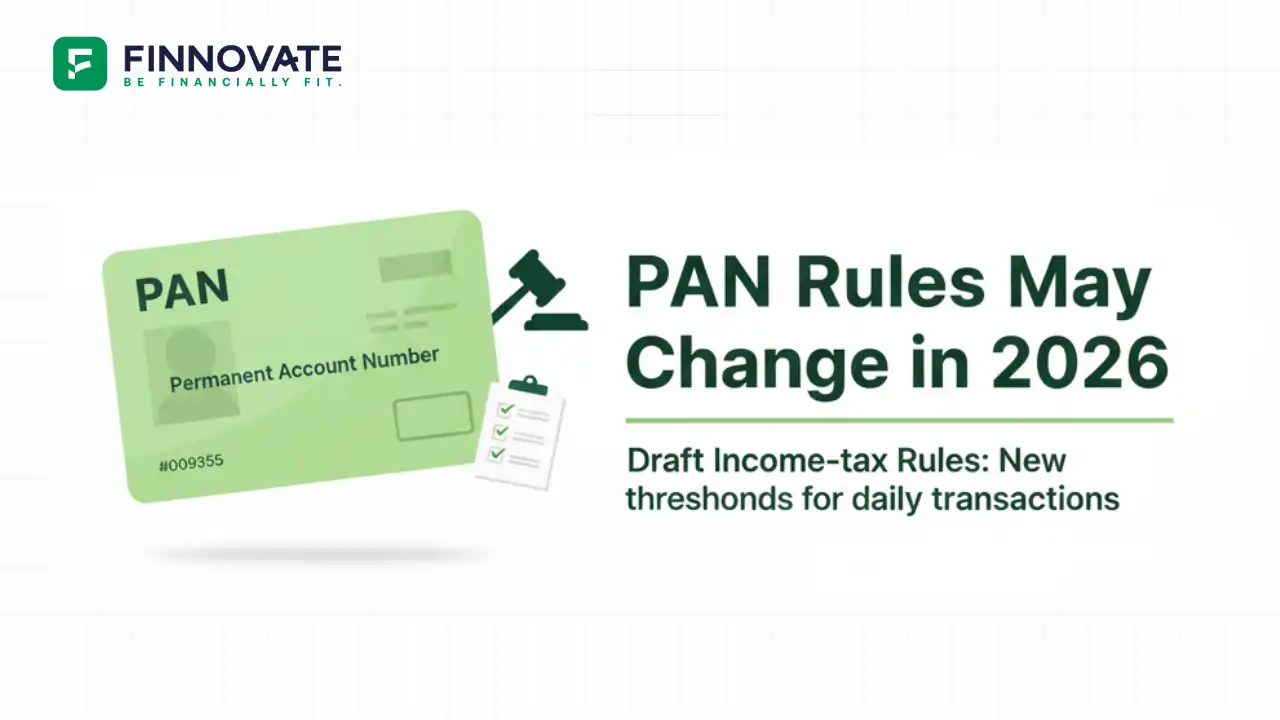
In India, PAN is not just for filing returns. It is the number that quietly shows up when you buy a vehicle, book a banquet, purchase property, or move large amounts of cash through banks.
Now the Income Tax Department has released the Draft Income-tax Rules, 2026, which are meant to align with the Income-tax Act, 2025 and replace older rule frameworks. These draft rules say they will come into force from April 1, 2026, once notified as final.
So what is changing, and where will you feel it in day-to-day life?
This article breaks it down with thresholds, examples, and a simple checklist.
These are draft rules, not the final law yet. The government has invited comments and the final version can still change.
Still, this matters because banks, insurers, dealerships, and property registration ecosystems update their KYC and reporting systems early. When rules become final, the "PAN required" prompt can start showing up immediately in real transactions.
Current practice: PAN is required for most motor vehicle purchases (with specific exclusions such as two-wheelers).
Draft proposal: PAN will be required only if the transaction value exceeds ₹5 lakh, and the scope is adjusted to include motorcycles and exclude tractors.
What it means in real life:
Note: Even when PAN is not mandatory under one rule, sellers may still ask it as part of standard KYC.
Current rule: PAN is required for cash payments above ₹50,000 at one time.
Draft proposal: threshold increases to ₹1,00,000.
What it means:
This change mainly affects people who pay large lifestyle or event bills in cash, which is still common in weddings and functions
Current rule: PAN quoting is linked to life insurance premium above ₹50,000 per year.
Draft proposal: this is replaced by PAN requirement at the start of an "account-based relationship," which effectively means PAN becomes part of onboarding and applies across related transactions.
What it means:
This is a big behavioural change because it reduces ambiguity for insurers and makes onboarding more uniform.
Current rule: PAN required for property transactions above ₹10 lakh.
Draft proposal: threshold becomes ₹20 lakh.
What it means:
Important: Property transactions still have other tax and reporting requirements. PAN is just one part of the compliance trail
This is where the draft rules tighten tracking.
Cash withdrawals
Cash deposits
Multiple reports on the draft rules indicate a shift from a per-day trigger to an annual aggregate test.
What it means:
Examples:
This is not about banning cash. It is about strengthening reporting trails for large cash movement.
| Nature of transaction | Earlier trigger | Draft proposal trigger |
|---|---|---|
| Motor vehicle purchase | PAN needed for most motor vehicle transactions (two-wheelers generally excluded under this specific rule) | PAN if value is more than ₹5 lakh, includes motorcycles, excludes tractors |
| Cash payment to hotel or restaurant | Above ₹50,000 at one time (cash) | Above ₹1,00,000 at one time (cash) |
| Life insurance | Premium above ₹50,000 in a financial year | PAN at onboarding of an account-based relationship (applies across related transactions) |
| Immovable property | Above ₹10 lakh | Above ₹20 lakh |
| Cash withdrawals | Higher annual trigger earlier | ₹10 lakh or more in a financial year |
| Cash deposits | Often framed as per-day trigger in older summaries | ₹10 lakh or more in a financial year (aggregate) |
These draft PAN changes do two things at once.
They reduce friction for some one-off transactions like modest hotel cash payments and lower-ticket property deals, but they tighten the lens on large cash movement by shifting attention to yearly totals.
If you mostly live in the digital payment world, this will feel like a minor compliance update.
If your income or business runs on cash cycles, this becomes a real operational change, so it is worth preparing early.
No. These are draft rules. The final rules can change after consultation. The draft rules mention an intended commencement from April 1, 2026.
The draft proposes ₹1,00,000 for cash payments (up from ₹50,000).
If the draft becomes final, PAN will be needed for motorcycles if the transaction value exceeds ₹5 lakh.
PAN requirement shifts away from a premium threshold and moves to the onboarding stage of an account-based relationship.
The draft proposes increasing it from ₹10 lakh to ₹20 lakh.
Draft coverage indicates PAN becomes relevant when cash deposits or cash withdrawals aggregate to ₹10 lakh or more in a financial year.
Most of the headline changes discussed here are about cash payments and specific transaction categories. Online payments generally leave a bank trail already, but always check the final rule text once notified.
Disclaimer: This article is for general information only, based on public reporting and the Draft Income-tax Rules, 2026. It is not tax or legal advice. Rules may change when finalised and notified.
No spam. Only new posts, simple explainers, and practical money checklists for busy professionals.
Finnovate is a SEBI-registered financial planning firm that helps professionals bring structure and purpose to their money. Over 3,500+ families have trusted our disciplined process to plan their goals - safely, surely, and swiftly.
Our team constantly tracks market trends, policy changes, and investment opportunities like the ones featured in this Weekly Capsule - to help you make informed, confident financial decisions.
Learn more about our approach and how we work with you:
No comments yet. Start the conversation. What would you add?
No spam. Only new posts, simple explainers, and practical money checklists.
You may also like
Understand how STT cuts, a higher LTCG exemption or lower capital gains tax could affect i...

Tax planning for married couples in India explained for 2026. Compare tax regimes, deducti...
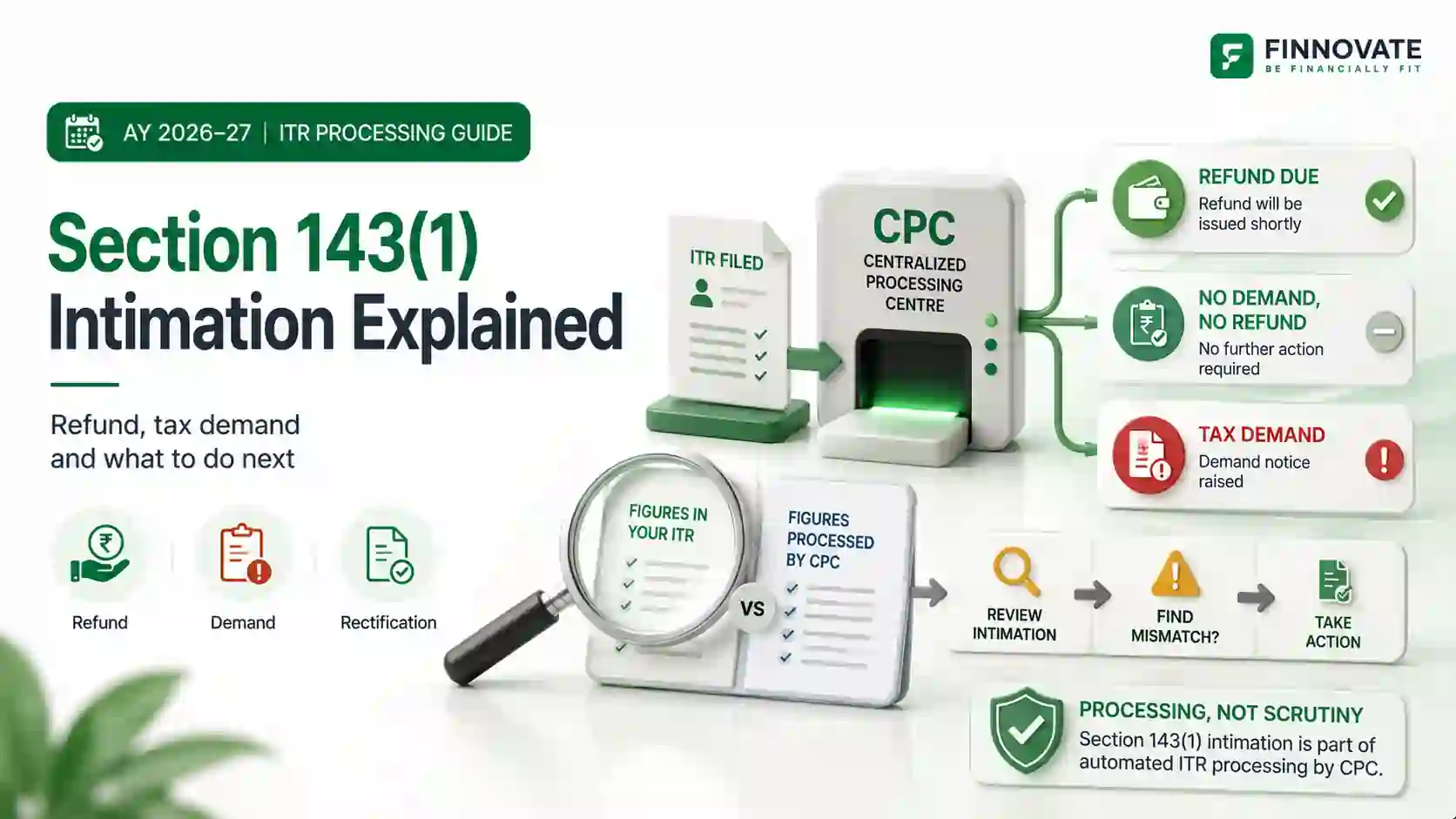
Received a Section 143(1) intimation? Understand CPC adjustments, refunds, tax demands, re...
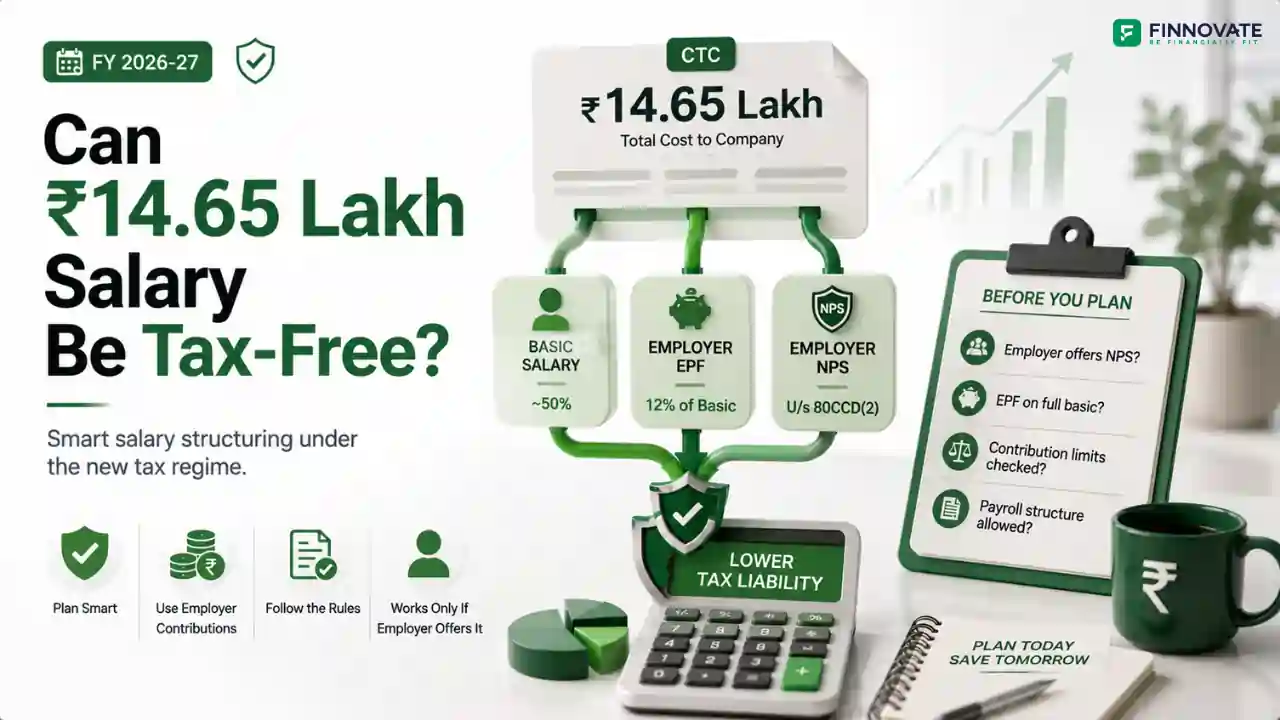
Zero tax on a ₹14.65 lakh salary is real, but only if your employer contributes EPF on f...
Popular now

Learn how to easily download your NSDL CAS Statement in PDF format with our step-by-step g...

Looking for the best financial freedom books? Here’s a handpicked 2026 reading list with...
Learn what SIF investment means in India, SEBI rules, Rs 10 lakh minimum investment, avail...
Clear guide to mutual fund taxation in India for FY 2025–26 after July 2024 changes: equ...