

Nifty Sector Performance September 2026: IPO, Pharma & Metal Lead
Compare 19 sector and thematic indices with Nifty 50 for September 2026, covering monthly ...
01 October 2026
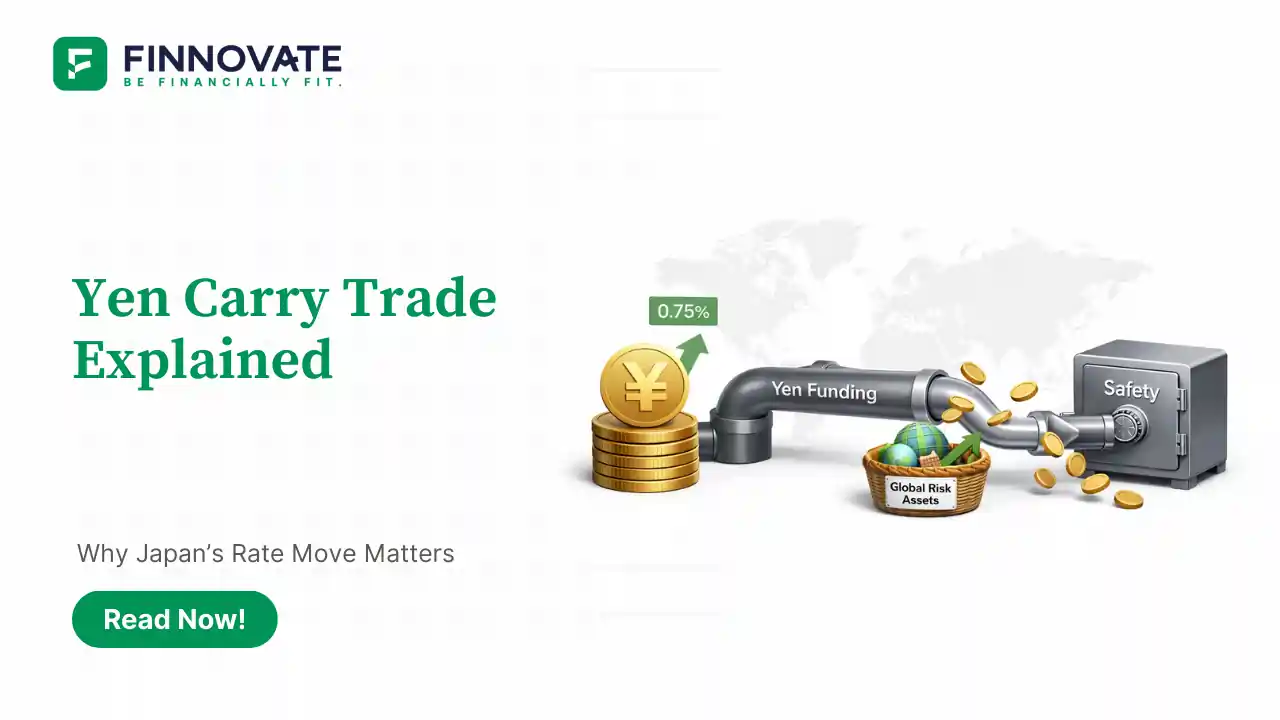
Japan just did something that looks small on paper but can matter a lot in markets.
The Bank of Japan raised its benchmark rate by 25 basis points to the level of 0.75%. If you only look at Japan, it feels like a routine inflation move. If you look at global money flows, it touches a sensitive nerve: the yen carry trade.
During the week, the Bank of Japan (BOJ) hiked rates by 25 bps, taking the benchmark rate to 0.75%.
In many countries, a 25 bps hike is normal. Japan is different because rates there have been near-zero for a long time. That near-zero world made the yen one of the cheapest funding currencies on the planet.
That is why this move is being watched beyond Japan.
Japan’s core inflation has been running above 2.6%, while the BOJ’s target is 2%.
When inflation stays above target for long, central banks get pressured to act. In Japan, that pressure is not just academic. Households feel it directly, and the mood can turn quickly when prices stay high.
The weak yen adds another layer.
A weaker currency makes imports more expensive. That pushes up costs for fuel, food, and other imported items. Over time, that becomes imported inflation, and it keeps domestic price pressure alive.
So the hike tries to do two jobs at once:
This is where the story gets messy.
A year back, Japan’s political leadership had publicly called rate hikes a bad idea. A lot changed since then. Inflation stayed elevated, and household pressure rose.
But hiking rates is not free.
Japan also carries one of the highest public debt burdens in the world, roughly 240% of GDP. When rates rise, borrowing becomes costlier. That matters a lot for a government with that kind of debt load because debt servicing can get heavier.
So Japan is juggling:
That is why every step up in rates can have ripple effects.

Here’s the basic logic, without the jargon.
A simple example with a hypothetical investor:
An investor borrows yen because it has been cheap to borrow for years. They then deploy that money into risk assets across developed and emerging markets. The whole strategy depends on two things staying friendly: borrowing stays cheap, and the yen does not move against them in a way that wipes returns.
That equation holds best when Japanese rates are close to zero. At 0.75%, the math starts looking less attractive. Not for everyone, but for enough players that it becomes worth watching.
It depends on how big the remaining carry trade is, and how quickly people rush to reduce risk.
The yen carry trade was far more powerful a few years ago. As Japan started moving away from near-zero rates, the easy attractiveness has already been reducing.
So the base case is not “instant panic”.
But there is still a risk pocket here because a lot of regional risk capital has historically leaned on yen funding. If that capital starts stepping back, the bigger problem is not Japan. It is the mood shift across global markets.
Think of it in three scenarios:
Carry trade positions trim a bit. Some investors reduce leverage, but risk appetite stays decent.
What it could look like:
Borrowing in yen becomes noticeably less attractive, and more traders unwind positions.
What it could look like:
Unwinding triggers a bigger “rush to safety”. People stop caring about small differences between countries. They just reduce risk.
What it could look like:
This third scenario is the one to watch for. Not because it is the most likely, but because it is the most damaging when it happens.
If you want a practical dashboard, watch these:
Because it has been a low-cost funding currency for years, making borrowing cheaper.
Yes. Carry trades depend on cheap funding, so higher Japanese rates can reduce the trade’s appeal.
Not automatically. The impact depends on remaining carry trade size and how quickly investors reduce risk.
Because global risk capital often exits higher-volatility markets faster when uncertainty rises.
A broad rush to safety that reduces global allocations to India and other emerging markets.
What is the yen carry trade and why does BOJ hiking matter?
The yen carry trade is when investors borrow cheaply in Japanese yen and invest that money in higher-return assets elsewhere. A BOJ rate hike to 0.75% raises funding costs and can reduce the appeal of this trade, increasing the chance of positions being unwound.
How can yen carry trade unwinding affect India?
If carry trades unwind, global investors may cut risk exposure and move to safer assets. That risk-off shift can reduce flows into emerging markets. India can feel pressure through lower global equity allocations, even without India-specific negatives.
Disclaimer: This content is for general information and educational purposes only and should not be treated as investment, tax, or legal advice. Please consult a qualified professional before making any financial decisions.
No spam. Only new posts, simple explainers, and practical money checklists for busy professionals.
Finnovate is a SEBI-registered financial planning firm that helps professionals bring structure and purpose to their money. Over 3,500+ families have trusted our disciplined process to plan their goals - safely, surely, and swiftly.
Our team constantly tracks market trends, policy changes, and investment opportunities like the ones featured in this Weekly Capsule - to help you make informed, confident financial decisions.
Learn more about our approach and how we work with you:
No comments yet. Start the conversation. What would you add?
No spam. Only new posts, simple explainers, and practical money checklists.
You may also like
Compare 19 sector and thematic indices with Nifty 50 for September 2026, covering monthly ...

Understand the Growpital case, SEBI’s refund order, the LLP investment structure and wha...
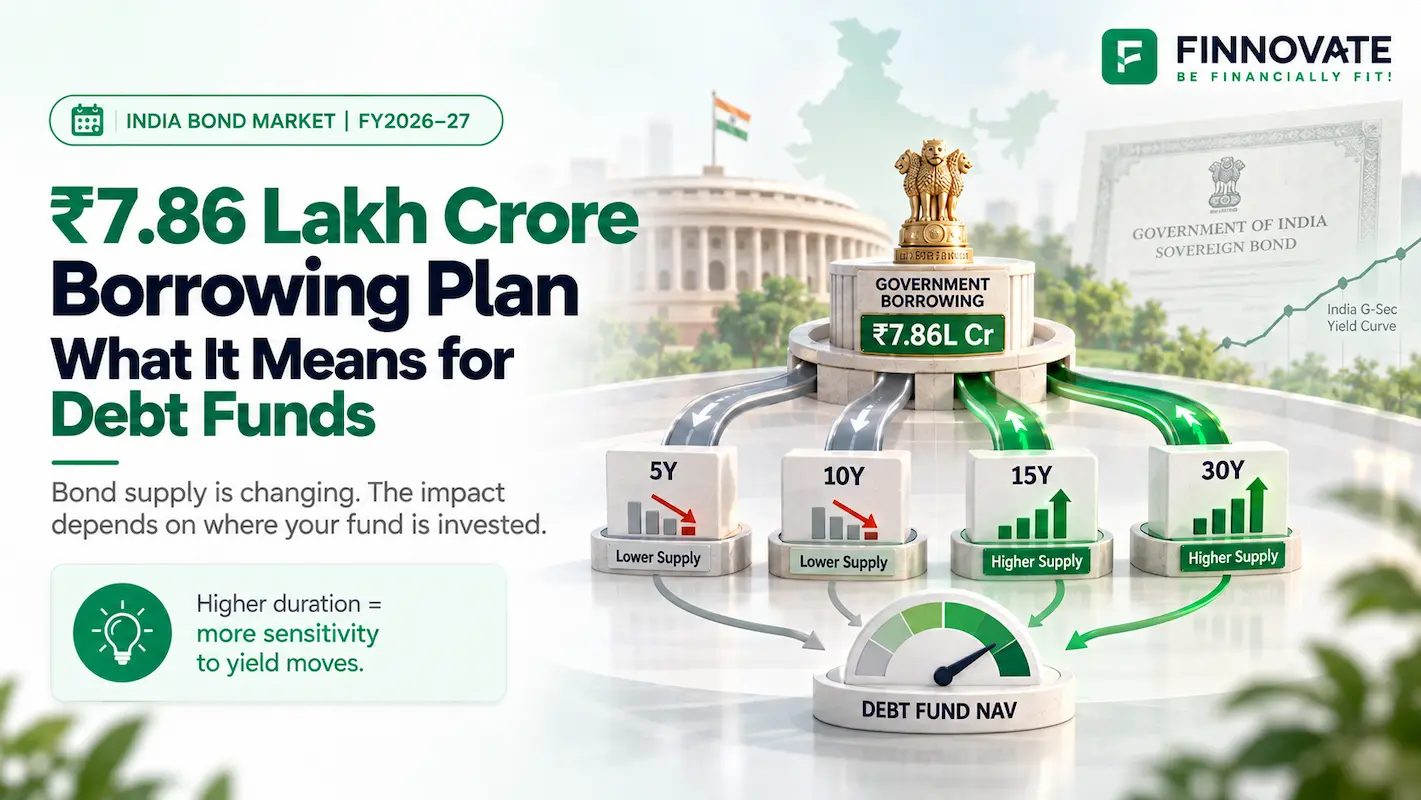
India plans to borrow ₹7.86 lakh crore in the second half of FY2026–27. Learn how the ...

Proposed EU scrap export curbs could affect India’s metal supply and manufacturing costs...
Popular now

Learn how to easily download your NSDL CAS Statement in PDF format with our step-by-step g...

Looking for the best financial freedom books? Here’s a handpicked 2026 reading list with...
Learn what SIF investment means in India, SEBI rules, Rs 10 lakh minimum investment, avail...

Clear guide to mutual fund taxation in India for FY 2025–26 after July 2024 changes: equ...