

Can India Build the Hardware Behind the AI Boom?
Explore India’s AI hardware opportunity through the proposed Adani–Jabil venture, from...
14 October 2026
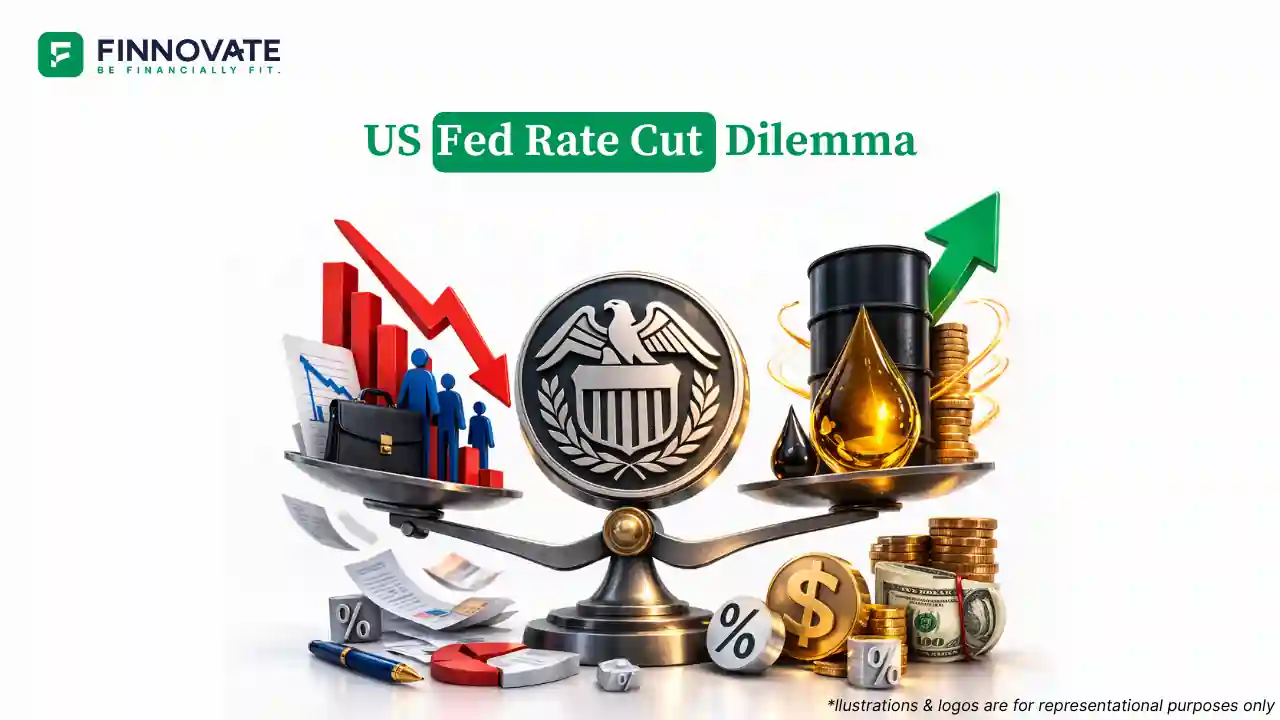
The US Federal Reserve is once again facing a difficult policy choice. Normally, weaker jobs data would strengthen the case for interest rate cuts. This time, the decision is more complicated. Alongside softer labour signals, the Fed is also dealing with a sharp rise in oil prices, fresh geopolitical risk, and a fiscal backdrop that remains stretched.
That is what makes the next Fed meeting important. The policy rate is currently in the 3.50% to 3.75% range, and the Fed has made it clear that future moves will depend on incoming data, the broader outlook, and the balance of risks. This is no longer a simple question of whether growth is slowing. The bigger question is whether the Fed can respond to softer labour signals while oil-led inflation risk is rising again.
The latest labour data has added pressure on the Fed. February 2026 payrolls fell by 92,000 and the unemployment rate moved up to 4.4%, pointing to some loss of momentum in the US labour market. On its own, that would usually strengthen expectations of a rate cut.
But central banks do not act on one number alone. The Fed is trying to manage two risks at the same time. One risk is that economic activity slows more than expected. The other is that inflation, which had started easing, may come back under pressure because of energy prices. That is what makes this a more difficult setup than a standard weak-jobs, cut-rates story.
The challenge becomes sharper when labour weakness appears at the same time as a supply-side shock. Lower rates can support demand. They do not solve a war-driven rise in crude prices.
The move in crude is what changes the tone of the discussion. US crude settled at $90.90 a barrel on March 6, 2026 after a very sharp jump linked to conflict-related supply fears. In the following sessions, prices remained highly volatile, with the market swinging between disruption fears and expectations of emergency stockpile action.
That matters because oil does not remain limited to commodity markets. It feeds into petrol, diesel, freight, aviation, logistics, and a wide range of business costs. If crude stays elevated for long enough, it can start pushing inflation expectations back up. That is exactly the kind of risk the Fed would not want to ignore when inflation is still not fully settled at target.
This is the real dilemma. Softer jobs data may argue for lower rates. Higher oil prices may argue for patience.
The broader US fiscal position is also part of the background. Federal debt is now around $38.5 trillion based on January 2026 data, and it has continued to edge higher. The 2026 federal budget deficit is projected at about $1.9 trillion, or 5.8% of GDP. Debt held by the public is projected at 101% of GDP in 2026 and is expected to rise further over the coming decade.
This does not mean the Fed sets policy based on the deficit. It does mean the overall macro environment is less forgiving. A high-debt, high-deficit system has less room for policy mistakes. It also makes bond markets and financing conditions more sensitive to inflation surprises and growth shocks.
At this stage, the case for an immediate cut does not look strong enough.
The Fed kept rates unchanged in January and signalled that it wants to assess incoming data carefully before making any further move. That stance fits the current setup. A weak payroll print matters, but it is not enough on its own to force action when oil is rising sharply and inflation risks may be firming again.
The more practical reading is this: the Fed may still cut later in 2026, but the bar for cutting immediately has gone up. If oil remains volatile and inflation stays sensitive, the case for waiting becomes stronger.
The next policy decision is likely to hinge on four things.
First, inflation data. If upcoming readings show renewed price pressure, the case for staying on hold strengthens. Second, oil. If crude remains elevated or spikes again, inflation risk becomes harder to ignore. Third, labour data. One weak month matters, but a repeated slowdown matters much more. Fourth, financial conditions. If yields, the dollar, and risk sentiment all tighten together, the Fed will have to judge how much restraint is already being created by markets themselves.
This is why the next Fed meeting is about more than a rate decision. It is also about the message. Markets will be watching closely to see how the Fed frames the trade-off between growth risk and inflation risk.
This may be a US policy story, but the effects do not stay in the US.
If the Fed stays cautious while oil remains volatile, bond yields may stay firm, the dollar may remain supported, and risk sentiment across global markets may stay fragile. That matters for capital flows, imported inflation, and overall market stability well beyond the US.
For global investors, including those in India, the message is straightforward. Oil affects inflation. The dollar affects capital flows and currencies. US rates shape the global cost of money. That is why the Fed’s dilemma has broader consequences than just one meeting in Washington.
The Fed is facing weaker labour market signals at the same time as rising oil prices. Softer jobs data supports rate cuts, but higher energy prices can push inflation back up, making the decision harder.
Oil affects petrol, diesel, freight, transport, aviation, and business costs. If crude remains high, it can feed into broader inflation and make the Fed more cautious about cutting rates.
No. The Fed looks at a broader set of factors, including inflation, financial conditions, and whether the weakness is part of a bigger trend or just a one-month data point.
A large deficit means higher borrowing needs and greater pressure on bond markets. That can make the overall economic environment more sensitive to inflation surprises and policy mistakes.
Investors should watch inflation data, crude oil prices, labour market trends, bond yields, and the Fed’s policy language around risk and timing.
Disclaimer: This article is for general information and educational purposes only. It does not constitute investment, tax, legal, or financial advice. Market conditions, policy signals, and economic data can change quickly. Please refer to official sources or speak to a qualified professional before taking action.
No spam. Only new posts, simple explainers, and practical money checklists for busy professionals.
Finnovate is a SEBI-registered financial planning firm that helps professionals bring structure and purpose to their money. Over 3,500+ families have trusted our disciplined process to plan their goals - safely, surely, and swiftly.
Our team constantly tracks market trends, policy changes, and investment opportunities like the ones featured in this Weekly Capsule - to help you make informed, confident financial decisions.
Learn more about our approach and how we work with you:
No comments yet. Start the conversation. What would you add?
No spam. Only new posts, simple explainers, and practical money checklists.
You may also like
Explore India’s AI hardware opportunity through the proposed Adani–Jabil venture, from...
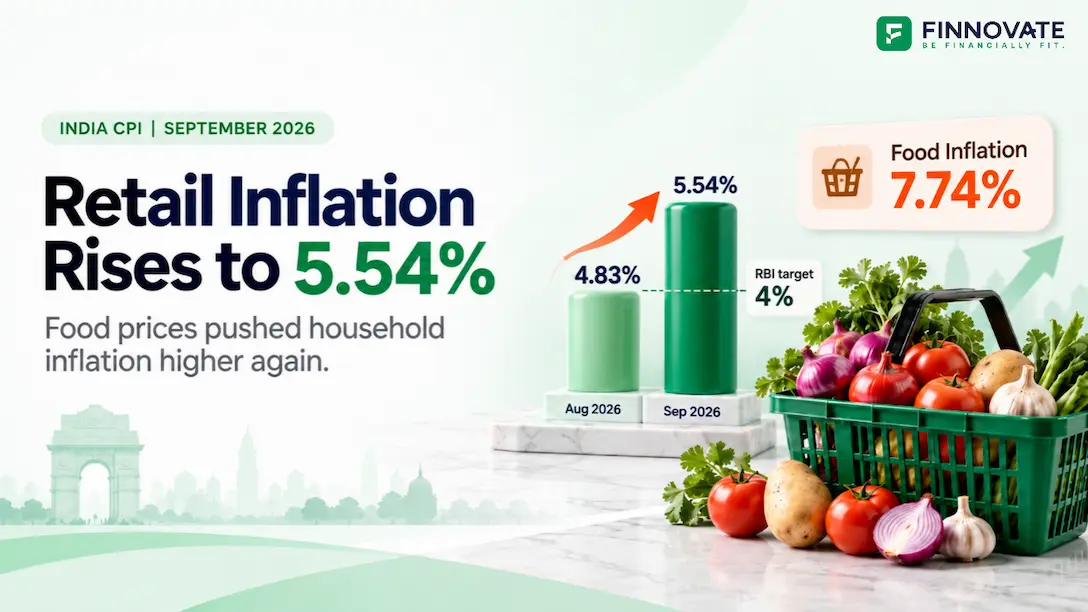
India’s CPI inflation rose to 5.54% in September 2026. Compare monthly trends, food pric...

The Shiller CAPE ratio is near its 1999 peak. Explore what it means for US stock valuation...

Can Starlink change internet access in India? Explore why Jio and Airtel signed deals, how...
Popular now

Learn how to easily download your NSDL CAS Statement in PDF format with our step-by-step g...

Looking for the best financial freedom books? Here’s a handpicked 2026 reading list with...
Learn what SIF investment means in India, SEBI rules, Rs 10 lakh minimum investment, avail...

Clear guide to mutual fund taxation in India for FY 2025–26 after July 2024 changes: equ...