

The Great Economic Decoupling of 2026: Oil, AI & India
Rising oil prices and booming AI investment are shaping an uneven global economy in 2026. ...
24 October 2026
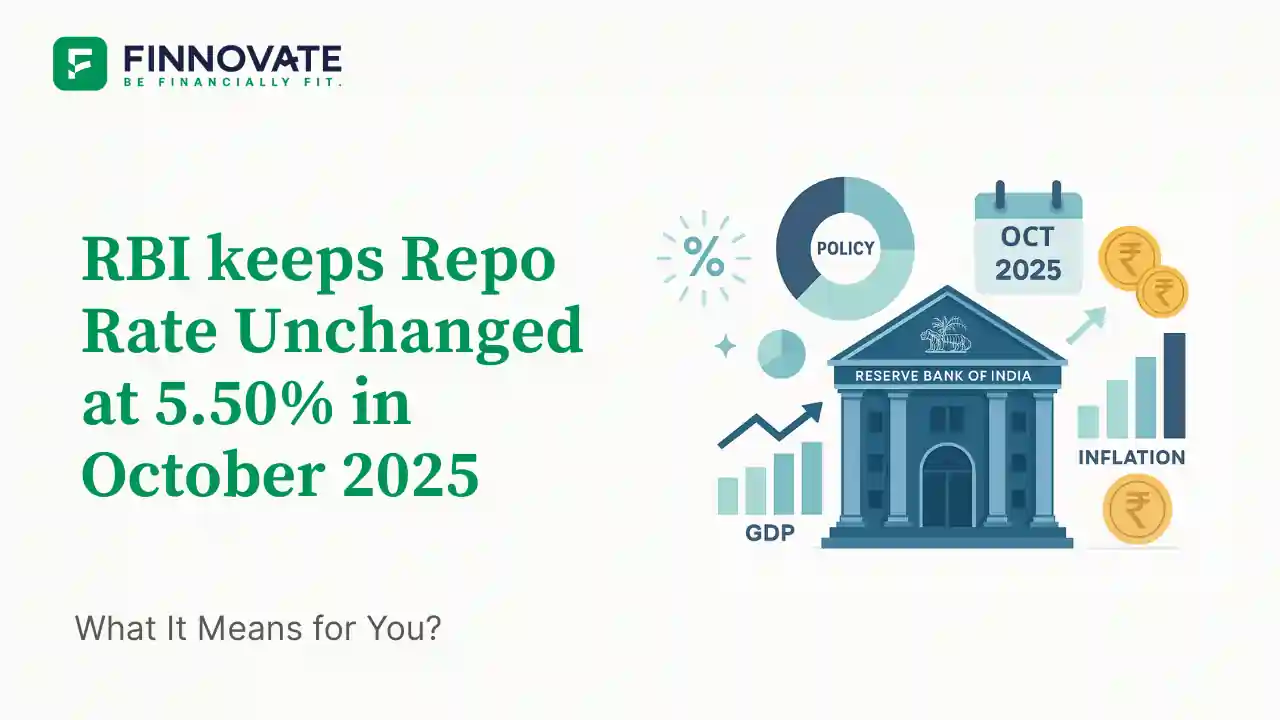
October 1, 2025 - Monetary Policy Update (India)
The Reserve Bank of India (RBI) left the repo rate unchanged at 5.50% and kept the policy stance Neutral. This is a pause after earlier cuts in 2025 as the MPC waits to see the full impact on growth and inflation. RBI also reaffirmed the WACR (overnight call rate) as the operating target and prioritised 7-day operations to guide money-market rates.
Takeaway: RBI is waiting - it wants earlier cuts to pass through to bank rates and the real economy before making the next move.

Next 4–8 weeks - track: (1) CPI trajectory and food prices; (2) Transmission - bank reset notices and FD sheets; (3) Global tariffs/Fed path and FPI flows.
Unsure how this pause affects your long-term financial plan?
Book a financial planning review call - we’ll keep it practical and aligned to your goals.
Disclaimer: This article is educational and not investment advice. For personal recommendations, consult a SEBI-registered Investment Adviser.
No spam. Only new posts, simple explainers, and practical money checklists for busy professionals.
Finnovate is a SEBI-registered financial planning firm that helps professionals bring structure and purpose to their money. Over 3,500+ families have trusted our disciplined process to plan their goals - safely, surely, and swiftly.
Our team constantly tracks market trends, policy changes, and investment opportunities like the ones featured in this Weekly Capsule - to help you make informed, confident financial decisions.
Learn more about our approach and how we work with you:
No comments yet. Start the conversation. What would you add?
No spam. Only new posts, simple explainers, and practical money checklists.
You may also like
Rising oil prices and booming AI investment are shaping an uneven global economy in 2026. ...

Explore FPI equity flows for October First Half, 2026: ₹47,955 crore in net outflows, th...

Understand the India–Mauritius tax treaty’s Principal Purpose Test, its August 2026 ef...

Explore India’s AI hardware opportunity through the proposed Adani–Jabil venture, from...
Popular now
Learn how to easily download your NSDL CAS Statement in PDF format with our step-by-step g...

Looking for the best financial freedom books? Here’s a handpicked 2026 reading list with...
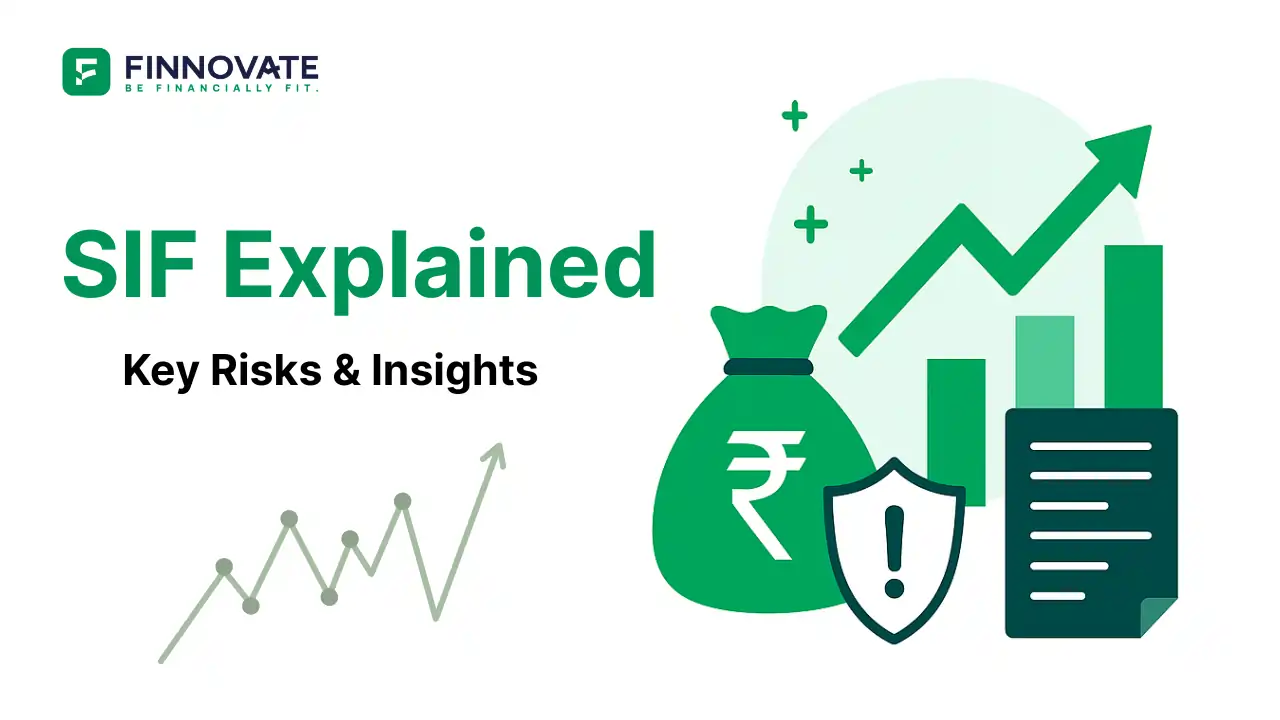
Learn what SIF investment means in India, SEBI rules, Rs 10 lakh minimum investment, avail...

Clear guide to mutual fund taxation in India for FY 2025–26 after July 2024 changes: equ...