

The Great Economic Decoupling of 2026: Oil, AI & India
Rising oil prices and booming AI investment are shaping an uneven global economy in 2026. ...
24 October 2026
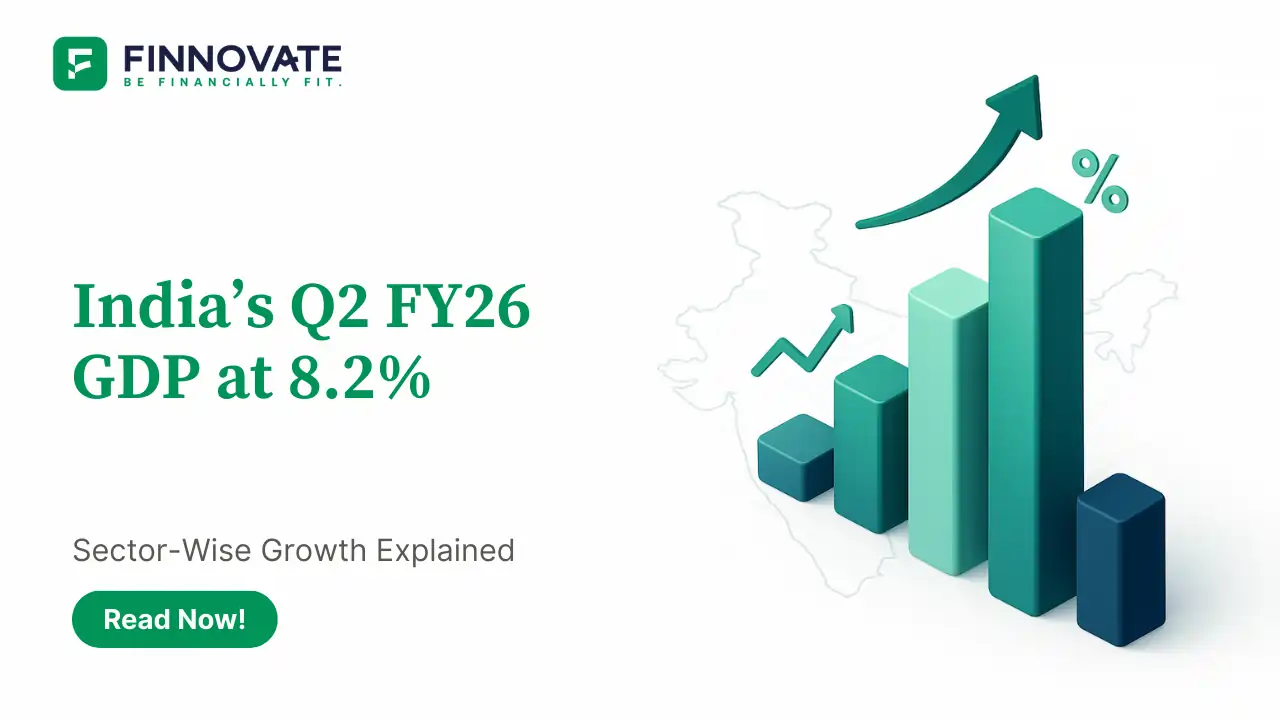
India’s latest growth number has come in hotter than most people expected.
For the July–September quarter of FY26 (Q2), the economy grew 8.2% in real terms, the fastest pace in six quarters. On top of that, GVA (Gross Value Added) grew about 8.1%, which means the growth is not just coming from price effects but from actual activity across sectors.
What makes this print interesting is the mix:
So this is not a “stimulus-driven, high-inflation” story. It is more of a broad-based private-sector growth story. Let’s look at the numbers in a clean, sector-wise way and then see what it means for your money.
All numbers are year-on-year growth for that quarter.
| Sector | FY25 Q2 | FY26 Q1 | FY26 Q2 |
|---|---|---|---|
| Agriculture | 4.1 | 3.7 | 3.5 |
| Manufacturing | 2.2 | 7.7 | 9.1 |
| Trade, hotels | 6.1 | 8.6 | 7.4 |
| Financial & realty services | 7.2 | 9.5 | 10.2 |
| Public admin & other services | 8.9 | 9.8 | 9.7 |
| PFCE – Private consumption | 6.4 | 7.0 | 7.9 |
| GFCE – Govt consumption | 4.3 | 7.4 | -2.7 |
| GFCF – Gross fixed capital formation | 6.7 | 7.8 | 7.3 |
Services continue to lead the show.
This means banks, NBFCs, realty, professional services and many listed service businesses are getting a real push from the economy, not just from sentiment.
Manufacturing is the big change in the last one year.
For markets, this is supportive for industrial, capital goods, auto and export-oriented companies, though some of the boost could be front-loaded and may normalise.
On the demand side:
So the economy is not just growing because prices are high; people are genuinely spending and businesses are still investing.
The interesting negative is Government Final Consumption Expenditure (GFCE):
In simple: the government pulled back day-to-day spending after a strong first quarter. Yet, GDP still grew 8.2%.
That tells you this quarter’s growth is not purely “government-driven”. It is coming more from households and the private sector, which is healthier and more sustainable over time.

You don’t need to react to every data release, but it helps to know what direction the economy is taking.
The combination of strong services, a manufacturing rebound and firm consumption supports the long-term India growth story. It improves the backdrop for earnings. But valuations in many areas are already rich, so this is not a signal to blindly chase anything with “growth” in the label. Stick to a sensible asset allocation and good quality businesses.
With growth at 8.2%, the RBI has less pressure to cut interest rates quickly. EMIs may not come down in a hurry, and long-duration debt funds will stay sensitive to every RBI comment. For most investors, matching debt investments to time horizon and liquidity needs still matters more than trying to guess the next move.
Strong macro data can make us feel relaxed and push lifestyle spending up. The better opportunity is to use this phase to:
Macro growth is useful only if your own finances are structured to benefit from it.
Q2 FY26’s 8.2% GDP growth is broad-based, led by services and a sharp manufacturing rebound, with healthy support from consumption and investment even as the government has slowed its own spending. It’s a reassuring data point for India’s long-term growth story - but the real work is still in keeping your personal plan disciplined and goal-focused.
Disclaimer: This article is for information and education only. It is not a recommendation or investment advice. Please speak to a qualified financial professional before making any investment or loan decisions based on macroeconomic data.
No spam. Only new posts, simple explainers, and practical money checklists for busy professionals.
Finnovate is a SEBI-registered financial planning firm that helps professionals bring structure and purpose to their money. Over 3,500+ families have trusted our disciplined process to plan their goals - safely, surely, and swiftly.
Our team constantly tracks market trends, policy changes, and investment opportunities like the ones featured in this Weekly Capsule - to help you make informed, confident financial decisions.
Learn more about our approach and how we work with you:
No comments yet. Start the conversation. What would you add?
No spam. Only new posts, simple explainers, and practical money checklists.
You may also like
Rising oil prices and booming AI investment are shaping an uneven global economy in 2026. ...

Explore FPI equity flows for October First Half, 2026: ₹47,955 crore in net outflows, th...
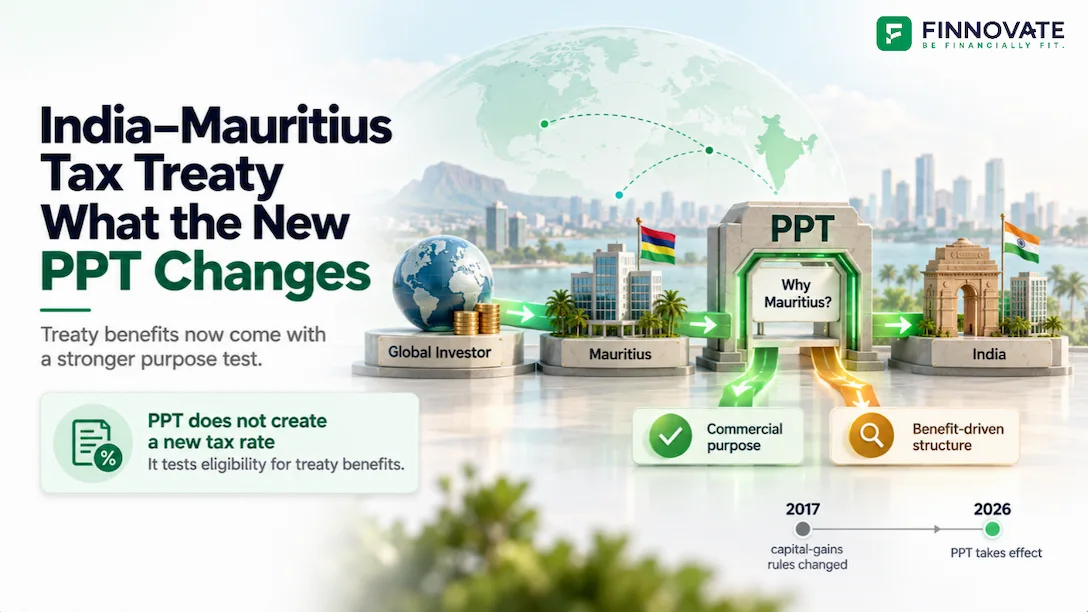
Understand the India–Mauritius tax treaty’s Principal Purpose Test, its August 2026 ef...

Explore India’s AI hardware opportunity through the proposed Adani–Jabil venture, from...
Popular now

Learn how to easily download your NSDL CAS Statement in PDF format with our step-by-step g...

Looking for the best financial freedom books? Here’s a handpicked 2026 reading list with...
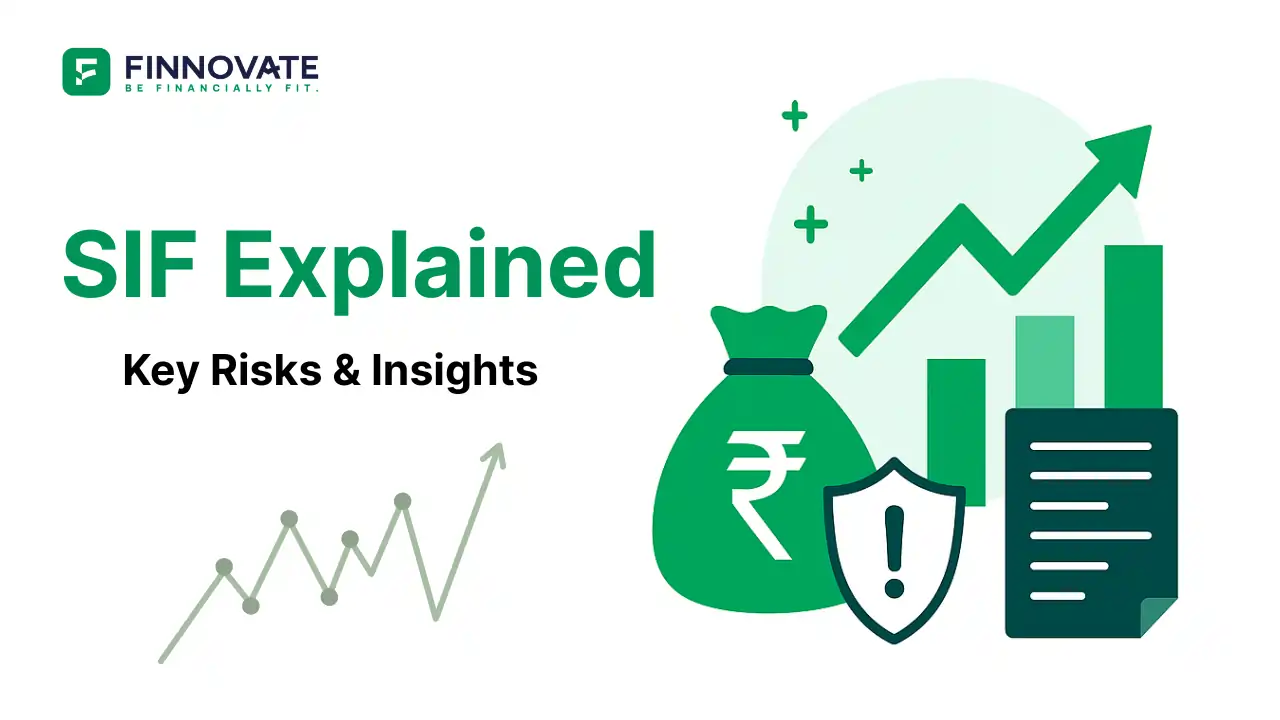
Learn what SIF investment means in India, SEBI rules, Rs 10 lakh minimum investment, avail...

Clear guide to mutual fund taxation in India for FY 2025–26 after July 2024 changes: equ...