
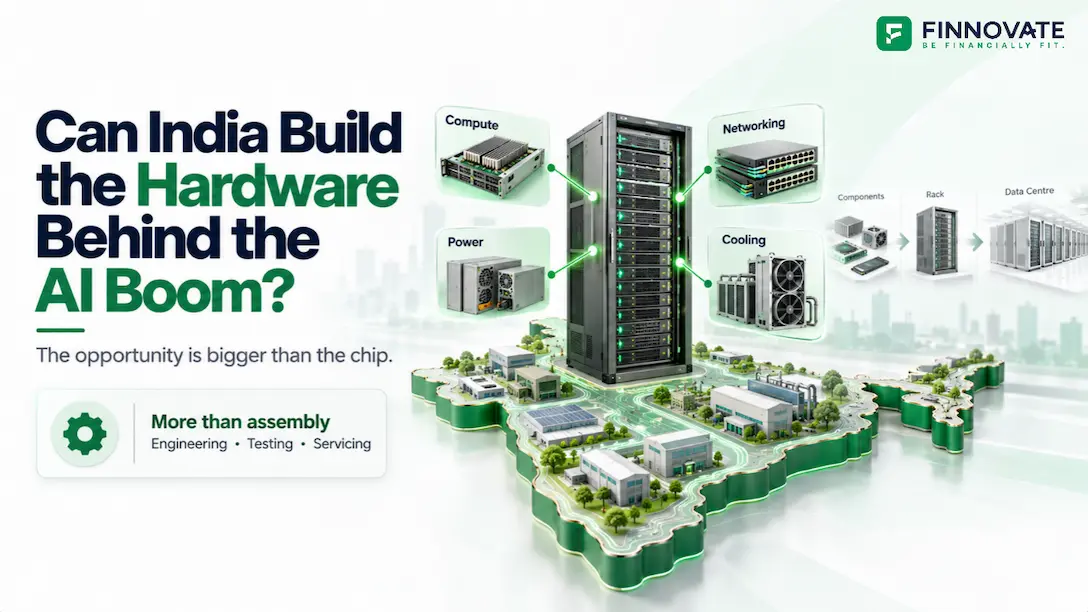
Can India Build the Hardware Behind the AI Boom?
Explore India’s AI hardware opportunity through the proposed Adani–Jabil venture, from...
14 October 2026

Over the last five years, India’s fast-moving consumer goods (FMCG) sector has quietly undergone a strategic shift. Established FMCG companies, traditionally built on mass distribution and wholesale-led models, are increasingly acquiring digital-first direct-to-consumer (D2C) brands at early stages of their lifecycle.
This is not opportunistic investing. It is a deliberate and structural change in how large FMCG companies are thinking about growth, consumer engagement, and long-term relevance.
Historically, FMCG acquisitions focused on:
The current wave of acquisitions is different.
D2C brands are typically built around a single product category, a narrow but loyal customer base, and strong digital engagement. They rely less on physical distribution and more on data-driven customer relationships.
For large FMCG companies, this model offers something they have traditionally lacked: direct, real-time consumer insight.
Several large FMCG players have made D2C acquisitions a central part of their strategy.
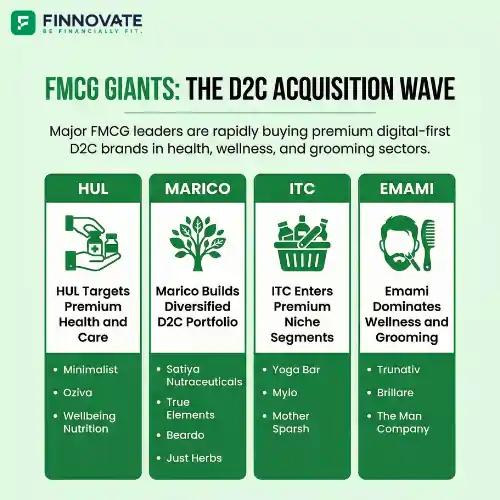
Across these transactions, the buyers are profitable FMCG companies with strong cash flows, while the sellers are young, single-brand businesses built around a focused consumer proposition.
In the last five years, nearly 70% of acquisitions by large FMCG companies have been in the D2C space. This dominance reflects a clear shift in acquisition priorities.
Three factors stand out.
The D2C model enables brands to interact directly with consumers, collect feedback, and respond quickly to changing preferences. This is difficult to achieve in the traditional wholesaler–retailer model.
While large FMCG companies typically grow top-line revenues at 8–9%, many D2C brands have been growing at 40–45% annually. Even though this growth comes from a smaller base, it demonstrates the scalability of the model when supported by capital and distribution.
Once the product-market fit is established, D2C brands can scale faster with additional capital, marketing spend, and supply-chain integration. This is where large FMCG companies have a clear advantage.
These acquisitions work because they address the core limitations of both sides.
For FMCG companies:
For D2C companies:
An acquisition allows FMCG companies to marry their financial strength with the consumer intelligence of D2C brands. At the same time, D2C companies gain immediate access to scale, operational expertise, and distribution infrastructure.
CRISIL data offers useful insight into how FMCG companies are deploying capital in the D2C space.
The preferred categories include:
This pattern highlights two strategic objectives. First, FMCG companies are using acquisitions to diversify their product mix. Second, they are actively premiumising their portfolios to protect and enhance valuations.
These acquisitions are not just about buying growth. They serve multiple long-term strategic goals.
In many cases, acquiring a D2C brand is more efficient than launching a new one from scratch, both in terms of time and capital.
The fundamentals driving these acquisitions remain firmly in place.
As a result, D2C acquisitions are likely to remain a core pillar of FMCG growth strategies rather than a temporary trend.
Disclaimer: This article is for general information and educational purposes only. It does not constitute investment advice, a recommendation, or an offer to buy or sell any securities. Please consult a qualified professional for guidance specific to your situation.
No spam. Only new posts, simple explainers, and practical money checklists for busy professionals.
Finnovate is a SEBI-registered financial planning firm that helps professionals bring structure and purpose to their money. Over 3,500+ families have trusted our disciplined process to plan their goals - safely, surely, and swiftly.
Our team constantly tracks market trends, policy changes, and investment opportunities like the ones featured in this Weekly Capsule - to help you make informed, confident financial decisions.
Learn more about our approach and how we work with you:
No comments yet. Start the conversation. What would you add?
No spam. Only new posts, simple explainers, and practical money checklists.
You may also like
Explore India’s AI hardware opportunity through the proposed Adani–Jabil venture, from...
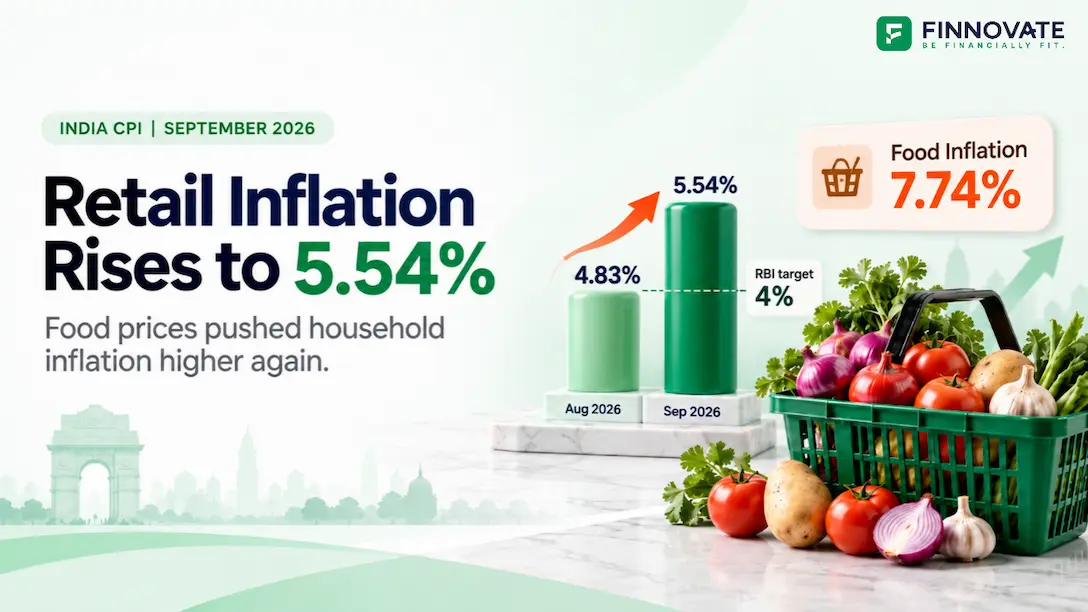
India’s CPI inflation rose to 5.54% in September 2026. Compare monthly trends, food pric...
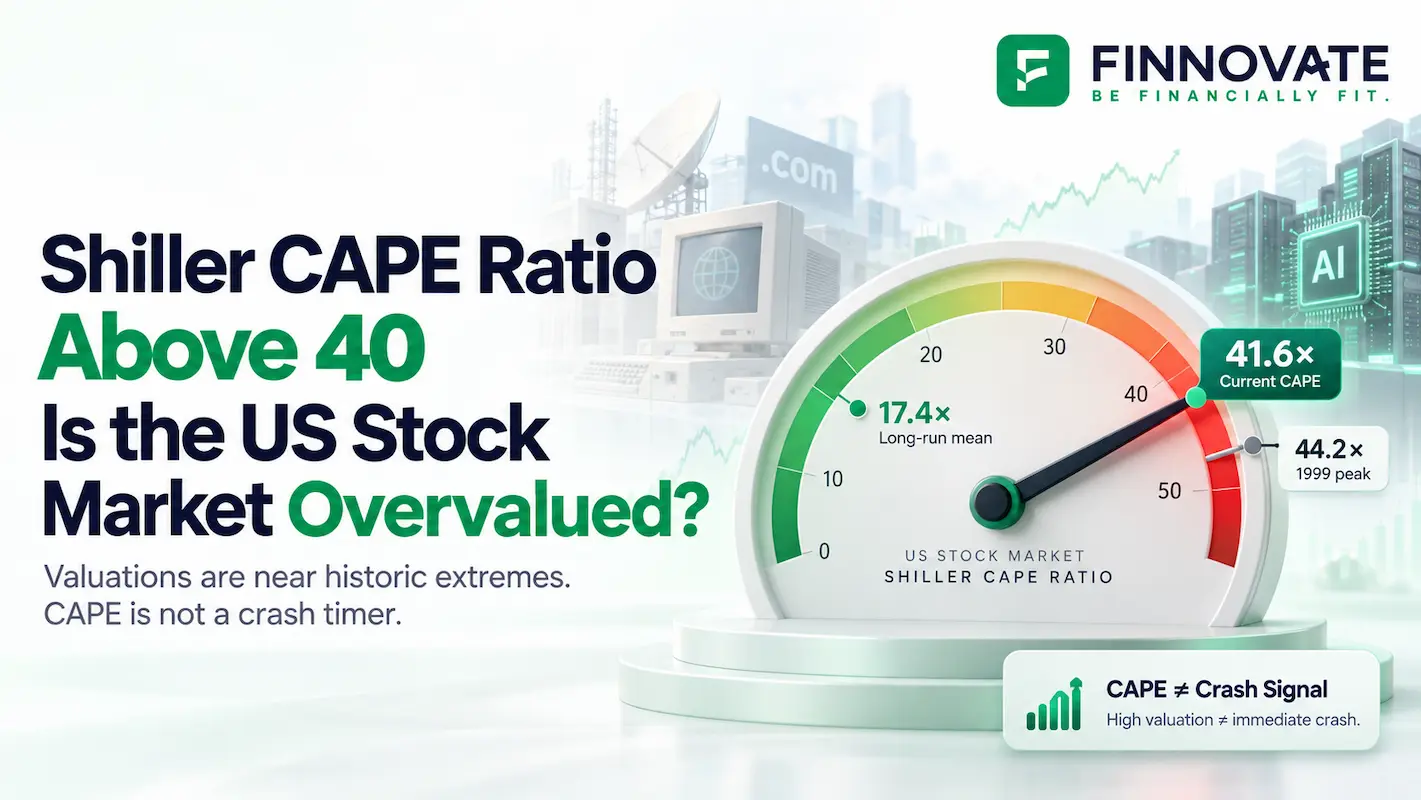
The Shiller CAPE ratio is near its 1999 peak. Explore what it means for US stock valuation...

Can Starlink change internet access in India? Explore why Jio and Airtel signed deals, how...
Popular now

Learn how to easily download your NSDL CAS Statement in PDF format with our step-by-step g...

Looking for the best financial freedom books? Here’s a handpicked 2026 reading list with...
Learn what SIF investment means in India, SEBI rules, Rs 10 lakh minimum investment, avail...
Clear guide to mutual fund taxation in India for FY 2025–26 after July 2024 changes: equ...