

FPI Flows First Half October 2026: ₹47,955 Crore Outflow
Explore FPI equity flows for October First Half, 2026: ₹47,955 crore in net outflows, th...
23 October 2026
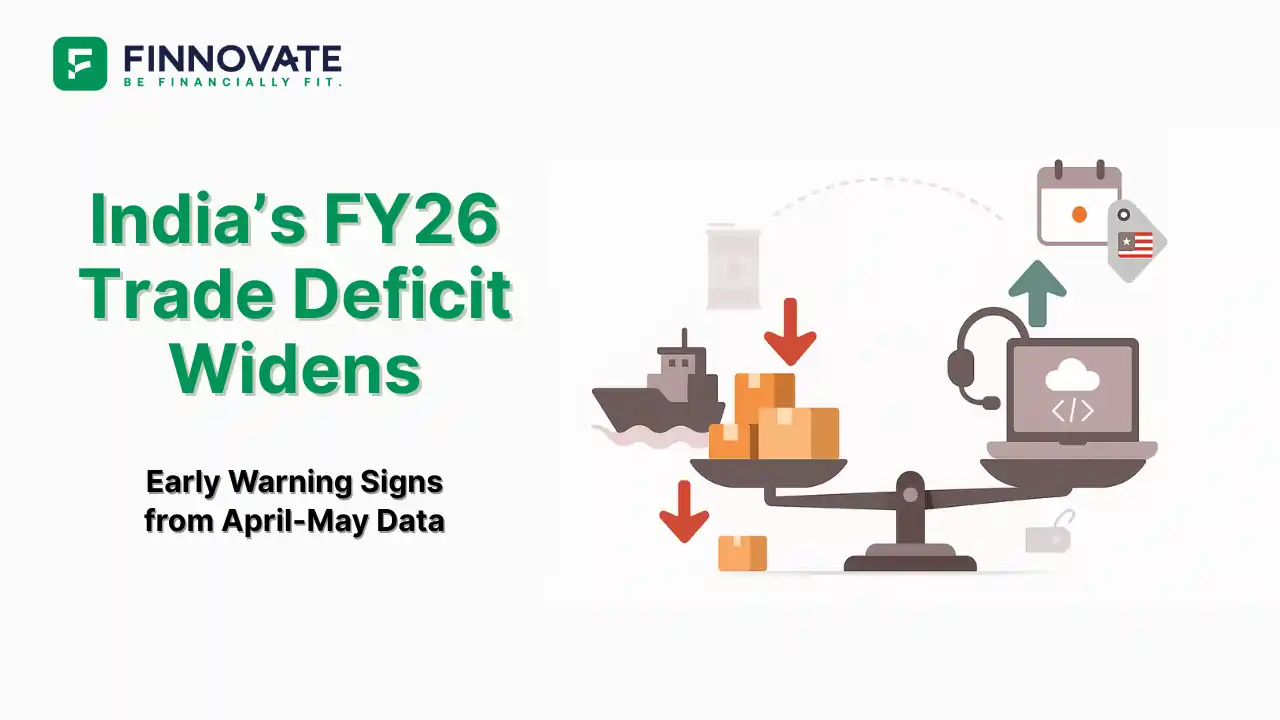
Merchandise trade deficit up 17.1%, services cushion softens the blow - but tariff risks loom ahead
The Directorate General of Foreign Trade (DGFT), along with RBI data, released India’s trade numbers for the first two months of FY26 (April–May 2025). While exports and imports are growing year-on-year, there are emerging signs of imbalance - particularly in merchandise trade.
India’s traditional trade pattern remains unchanged:
Let’s break down what the early FY26 numbers reveal - and why global risks could tip the scale further in coming months.
While merchandise exports grew by 3.07% YoY to $77.19 billion, merchandise imports surged by 8.06% to $125.52 billion. The result?
The merchandise trade deficit widened to $48.33 billion, a 17.1% increase compared to the same period last year.
This could be due to:
If merchandise looks weak, services trade continues to shine.
This rising surplus is key to softening the impact of India’s expanding merchandise gap - and reflects continued strength in India’s IT, consulting, and remote services industries.
When goods and services are combined, here’s how the numbers stack up for April–May FY26:
| Metric | FY26 (Apr–May) | FY25 (Apr–May) | YoY Change |
|---|---|---|---|
| Merchandise Exports | $77.19B | $74.89B | +3.07% |
| Merchandise Imports | $125.52B | $116.16B | +8.06% |
| Services Exports | $65.24B | $59.79B | +9.12% |
| Services Imports | $34.05B | $33.64B | +1.22% |
| Combined Exports | $142.43B | $134.68B | +5.75% |
| Combined Imports | $159.57B | $149.80B | +6.52% |
| Overall Trade Deficit | $17.14B | $15.12B | +13.36% |
Notably, the ratio of services exports to merchandise exports has improved from 79.8% to 84.5%. Whether this reflects resilient services or a weakening goods sector is still unclear.
So far, the data looks manageable - but it may not stay that way.
The Trump-era tariff measures are only partially in effect as of June. Most key tariffs on Indian goods are scheduled to begin from July 9, 2025. These could:
The Israel-Iran conflict adds to the uncertainty, especially in crude oil prices and shipping delays - factors not yet visible in April–May numbers.
The Current Account Deficit (CAD) for FY26 will depend heavily on:
India’s overall trade deficit for April–May FY26 stands at $17.14 billion, 13.4% higher YoY. This points to possible CAD widening, unless exports strengthen or imports cool off in Q2.
The FY25 CAD figure is expected later this week, which will offer better clarity. But for now, investors, policymakers, and businesses need to prepare for potential trade shocks in Q2 FY26.
Let Finnovate Help You Make Sense of Macro Risks
If you're invested in export-driven businesses or want to hedge against import inflation, book a free consultation. Let's align your investments with global reality.
Book Your Free Call NowDisclaimer: The content in this article is for educational purposes only and does not constitute financial advice. Please consult a qualified financial advisor before making investment or business decisions.
No spam. Only new posts, simple explainers, and practical money checklists for busy professionals.
Finnovate is a SEBI-registered financial planning firm that helps professionals bring structure and purpose to their money. Over 3,500+ families have trusted our disciplined process to plan their goals - safely, surely, and swiftly.
Our team constantly tracks market trends, policy changes, and investment opportunities like the ones featured in this Weekly Capsule - to help you make informed, confident financial decisions.
Learn more about our approach and how we work with you:
No comments yet. Start the conversation. What would you add?
No spam. Only new posts, simple explainers, and practical money checklists.
You may also like
Explore FPI equity flows for October First Half, 2026: ₹47,955 crore in net outflows, th...

Understand the India–Mauritius tax treaty’s Principal Purpose Test, its August 2026 ef...

Explore India’s AI hardware opportunity through the proposed Adani–Jabil venture, from...
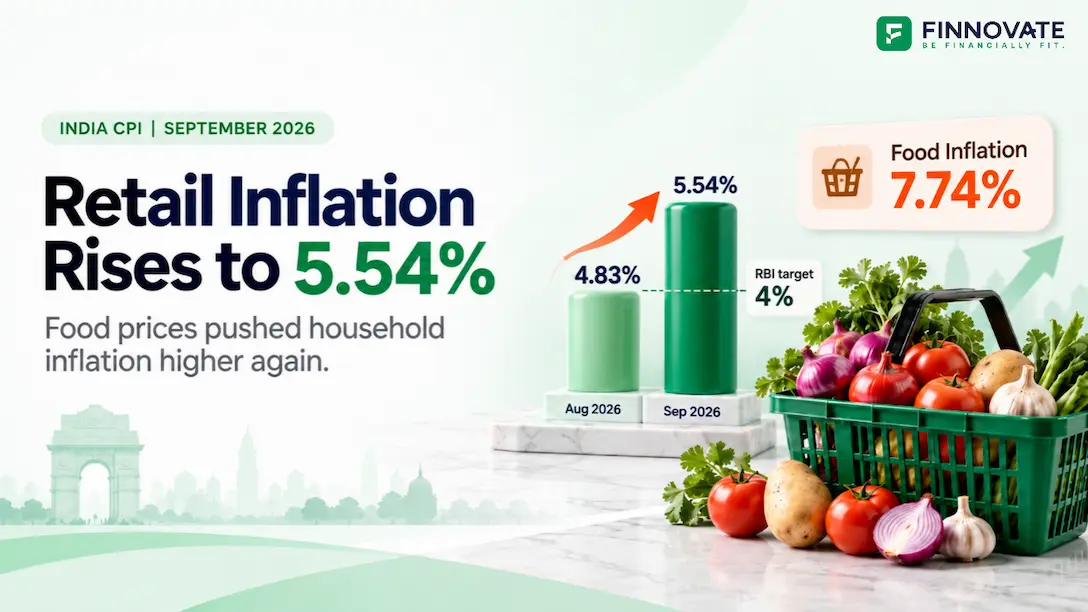
India’s CPI inflation rose to 5.54% in September 2026. Compare monthly trends, food pric...
Popular now

Learn how to easily download your NSDL CAS Statement in PDF format with our step-by-step g...

Looking for the best financial freedom books? Here’s a handpicked 2026 reading list with...
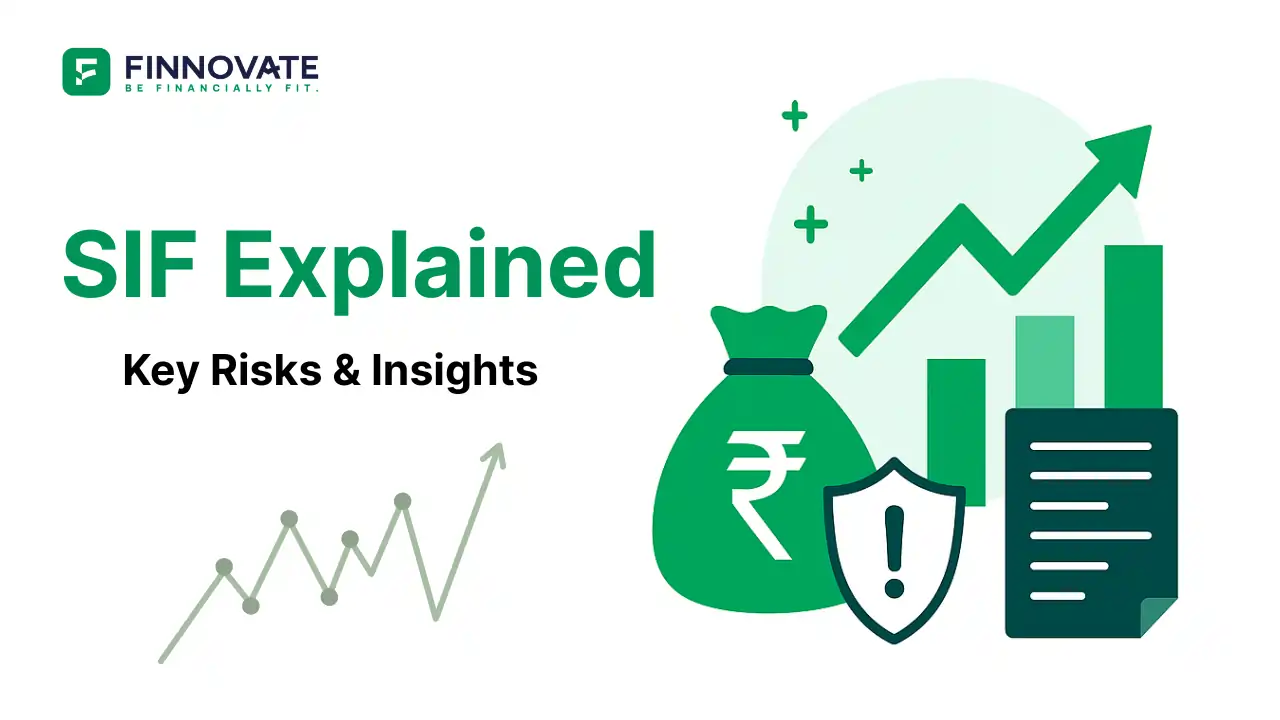
Learn what SIF investment means in India, SEBI rules, Rs 10 lakh minimum investment, avail...

Clear guide to mutual fund taxation in India for FY 2025–26 after July 2024 changes: equ...