

The Great Economic Decoupling of 2026: Oil, AI & India
Rising oil prices and booming AI investment are shaping an uneven global economy in 2026. ...
24 October 2026

The Viceroy Research report on Vedanta Resources Ltd (VRL) has stirred up the financial markets. While the stock of Vedanta Ltd saw a sharp 12% drop following the release of the report, it has since shown signs of stabilizing. But with all the noise surrounding the allegations, one must ask: Is there any real substance behind these accusations?
In its report, Viceroy Research, a short-seller firm, has accused Vedanta Resources of using dividends from its Indian subsidiaries, Vedanta Ltd and Hindustan Zinc Ltd (HZL), to pay off the parent company's debt. While this strategy is not entirely new, Viceroy Research has gone further to suggest that the level of debt and interest costs is spiraling. The key concern raised is that these dividends and brand fees paid by the subsidiaries are not just funding the parent company’s debt but may be contributing to an unsustainable financial structure.
One of the key aspects that raises questions is the timing of the Viceroy Research report. The report came out at a time when Vedanta Group was aggressively working on reducing its debt and restructuring its business into separate listed entities. Anil Agarwal, the Chairman of Vedanta, has outlined plans to unlock stakeholder value by dividing the company based on its business verticals.
It’s important to consider whether this report was timed to disrupt the group's restructuring plans or if there is genuine concern behind the allegations. Could there be an ulterior motive, or is it simply a coincidence that the report was released just when Vedanta’s restructuring efforts were gaining momentum?
The temptation to compare the Vedanta issue with the Adani Group controversy is understandable, especially in light of the recent Hindenburg Research report on Adani Group. However, a closer look at both cases reveals key differences.
In conclusion, although there are some similarities in the way both companies have raised concerns in the market, the structural differences between Vedanta and Adani are substantial, making a direct comparison difficult.
When it comes to investing in Vedanta Ltd, there are several key questions that investors should ask themselves:
While Vedanta has solid growth potential, investors should pause and critically evaluate the company’s financial and governance structure before making any decisions.
In conclusion, the Viceroy Research report on Vedanta Resources raises valid concerns about the company’s financial practices, especially its reliance on dividends to fund debt and the potential for wealth stripping. However, there are key differences between Vedanta’s business model and that of the Adani Group, and the timing of the report should be taken into consideration.
Investors should pay close attention to the ongoing developments and remain cautious about governance issues. Commodity price fluctuations could play a critical role in Vedanta’s future, and global market dynamics could either fuel growth or hinder profitability.
Disclaimer: The information provided in this article is for informational purposes only. It does not constitute financial advice. Please consult a qualified financial advisor or conduct your own research before making any investment decisions. The views expressed are based on publicly available information and may not reflect the most current market conditions.
No spam. Only new posts, simple explainers, and practical money checklists for busy professionals.
Finnovate is a SEBI-registered financial planning firm that helps professionals bring structure and purpose to their money. Over 3,500+ families have trusted our disciplined process to plan their goals - safely, surely, and swiftly.
Our team constantly tracks market trends, policy changes, and investment opportunities like the ones featured in this Weekly Capsule - to help you make informed, confident financial decisions.
Learn more about our approach and how we work with you:
No comments yet. Start the conversation. What would you add?
No spam. Only new posts, simple explainers, and practical money checklists.
You may also like
Rising oil prices and booming AI investment are shaping an uneven global economy in 2026. ...
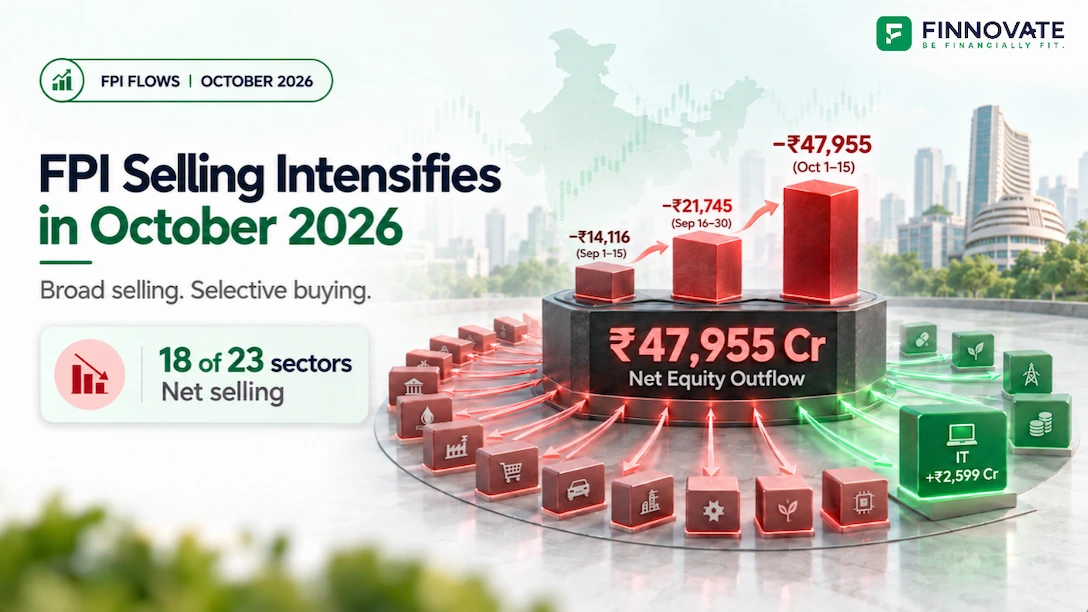
Explore FPI equity flows for October First Half, 2026: ₹47,955 crore in net outflows, th...
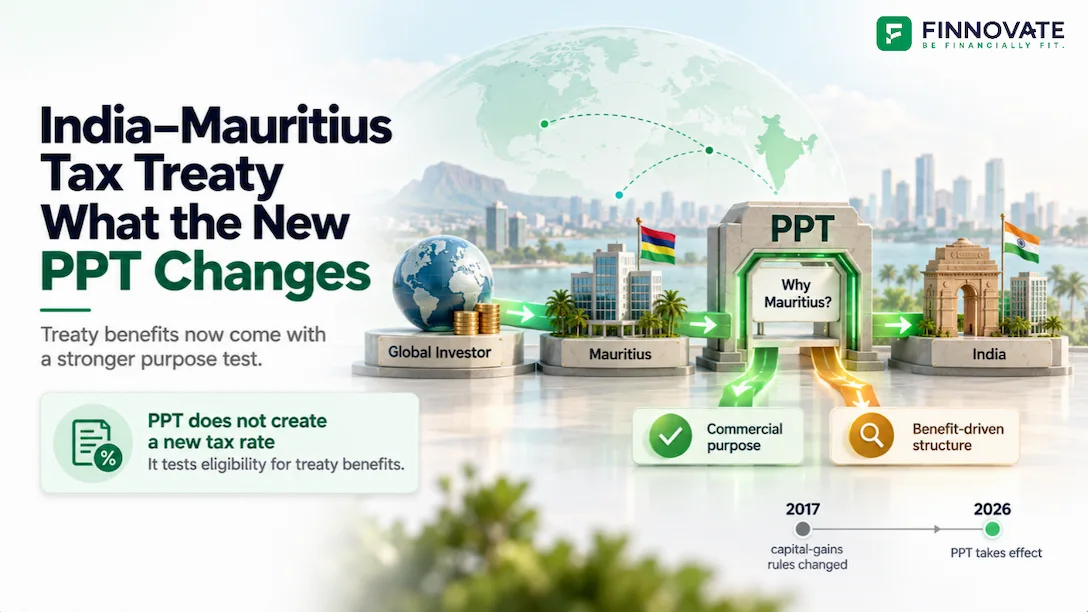
Understand the India–Mauritius tax treaty’s Principal Purpose Test, its August 2026 ef...

Explore India’s AI hardware opportunity through the proposed Adani–Jabil venture, from...
Popular now

Learn how to easily download your NSDL CAS Statement in PDF format with our step-by-step g...

Looking for the best financial freedom books? Here’s a handpicked 2026 reading list with...
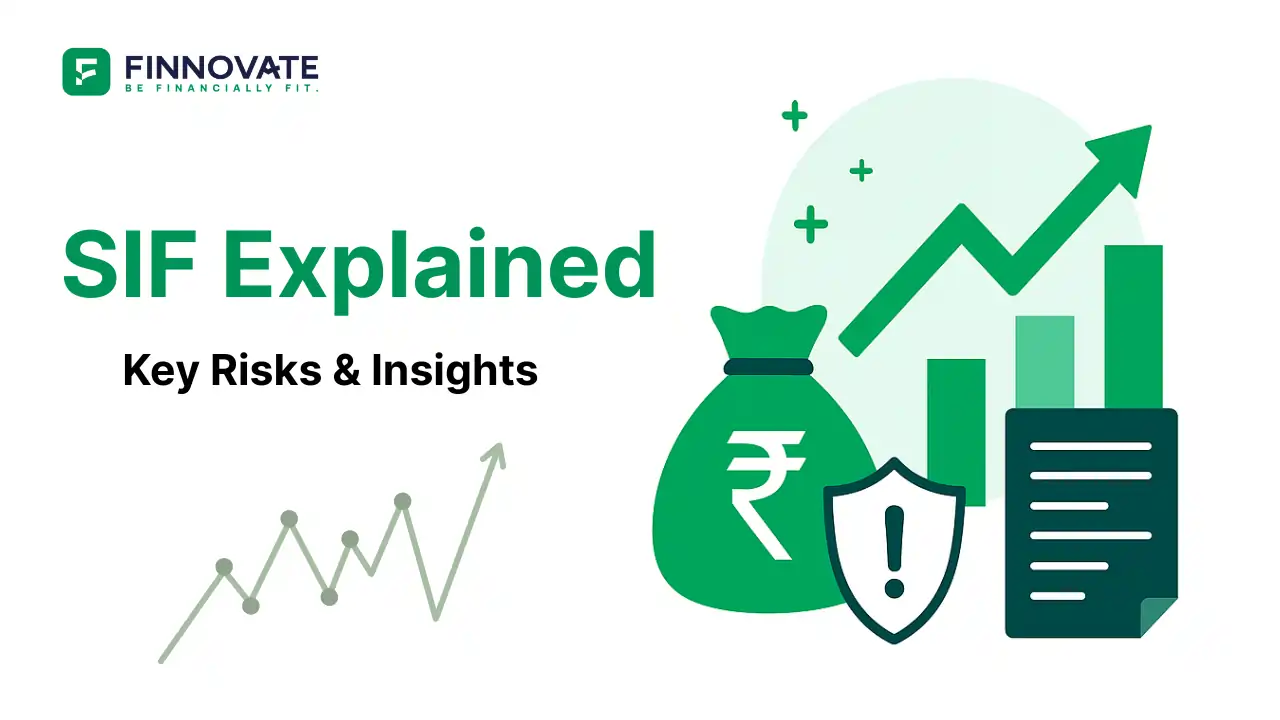
Learn what SIF investment means in India, SEBI rules, Rs 10 lakh minimum investment, avail...
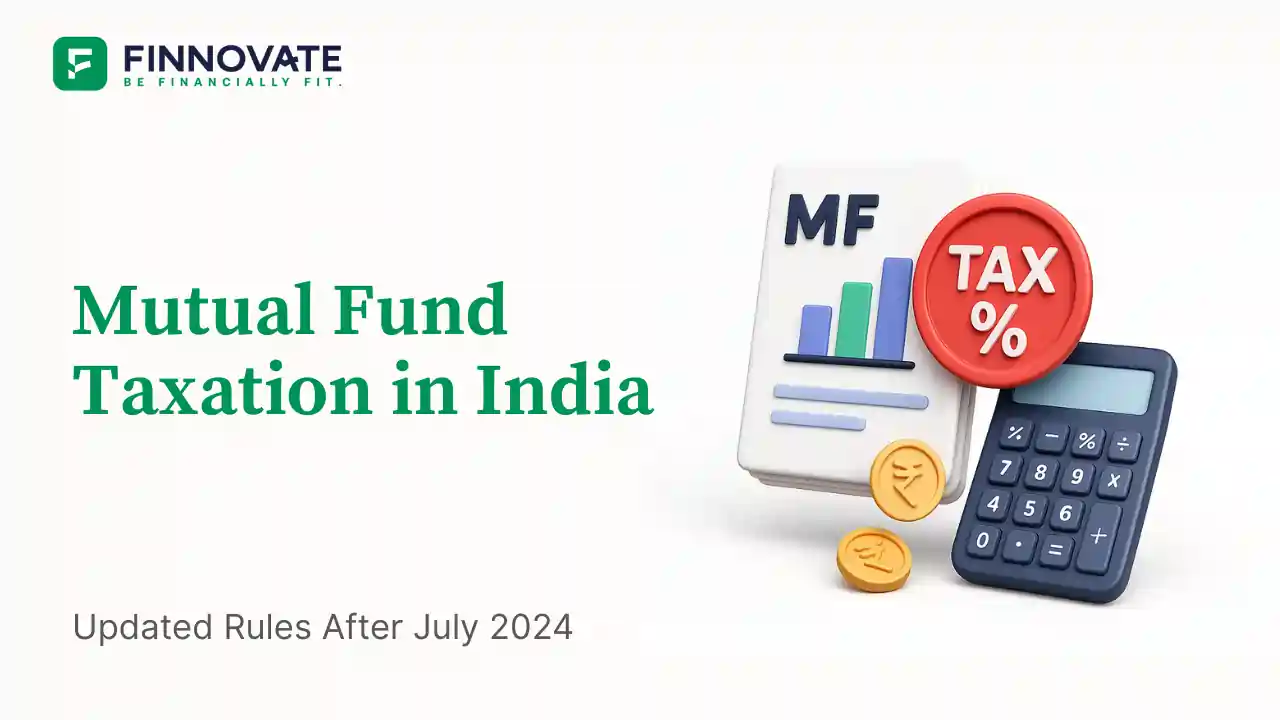
Clear guide to mutual fund taxation in India for FY 2025–26 after July 2024 changes: equ...