
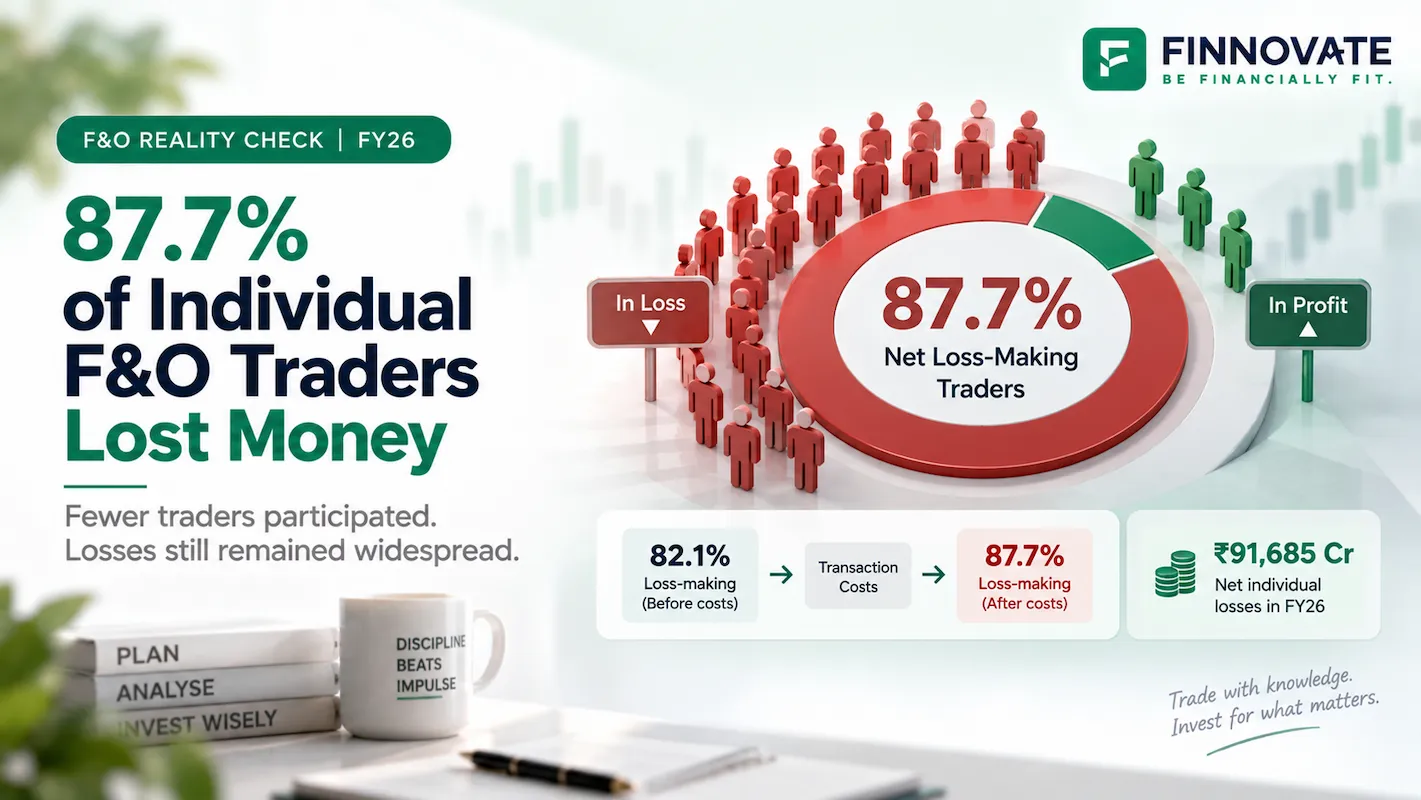
Why 87.7% of Individual F&O Traders Lost Money in FY26: SEBI Data Explained
SEBI data shows 87.7% of individual F&O traders lost money in FY26, with ₹91,685 crore i...
23 September 2026
Many of you have written to us, asking how to calculate the return on traditional policies, endowments, and annuity products. The key concept to understand here is IRR (Internal Rate of Return).
Let’s take an example: Suppose you invest ₹2 lakh annually as a premium for 10 years. With GST, this amount increases slightly, and the premium continues for 10 years. After a 2-year waiting period, you begin receiving ₹4 lakh to ₹4.08 lakh annually from the 13th year to the 23rd year.
What you need to consider is: are you receiving this money at the beginning or the end of the year? To calculate the actual return, plot all these cash flows in Excel—what went out of your pocket as a negative, and what came back as a positive. Using the IRR formula, the return for this particular example comes out to 5.90%.
While it may seem like you are doubling your money (paying X and getting 2X), the actual return, after accounting for taxes and other factors, is 5.9%. This is how you calculate the returns of an annuity, traditional policy, or endowment policy using the IRR method.
Watch the video below for a detailed explanation of how to calculate your investment returns using IRR:
In summary, always consider what goes out and what comes back into your pocket, and use IRR to find out the real return on your investment.
No spam. Only new posts, simple explainers, and practical money checklists for busy professionals.
Finnovate is a SEBI-registered financial planning firm that helps professionals bring structure and purpose to their money. Over 3,500+ families have trusted our disciplined process to plan their goals - safely, surely, and swiftly.
Our team constantly tracks market trends, policy changes, and investment opportunities like the ones featured in this Weekly Capsule - to help you make informed, confident financial decisions.
Learn more about our approach and how we work with you:
No comments yet. Start the conversation. What would you add?
No spam. Only new posts, simple explainers, and practical money checklists.
You may also like
SEBI data shows 87.7% of individual F&O traders lost money in FY26, with ₹91,685 crore i...
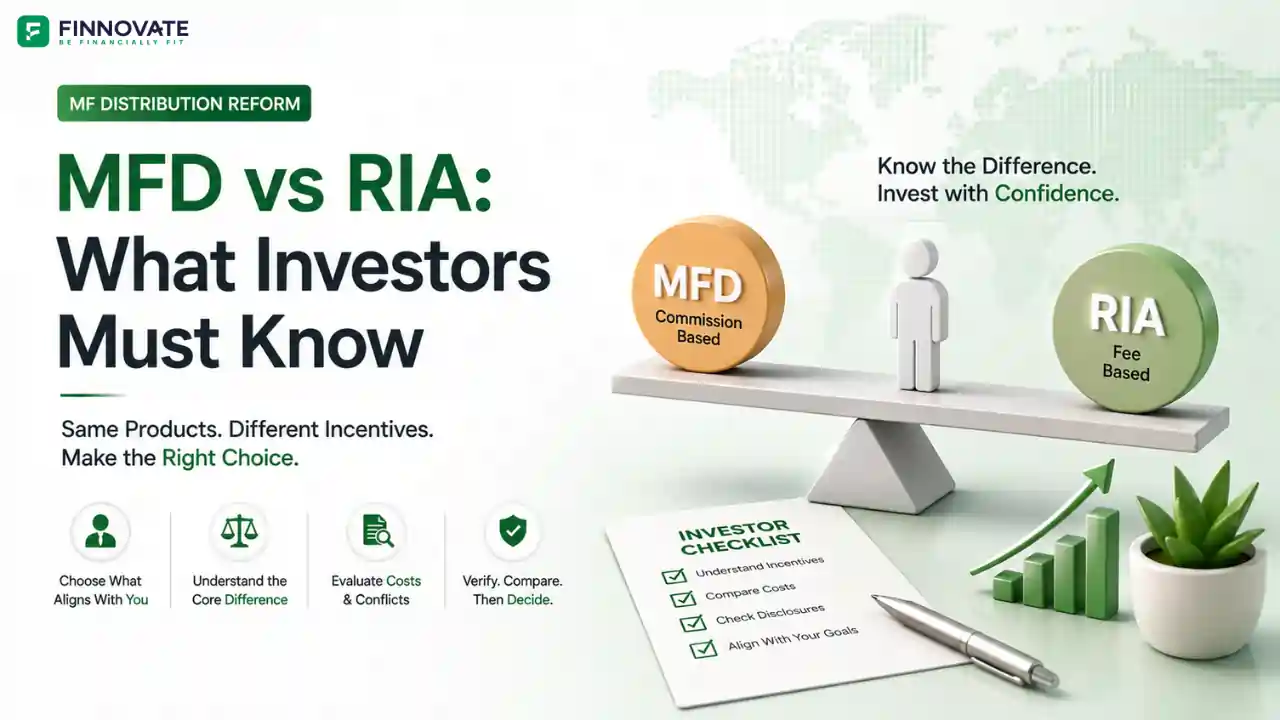
Your "financial adviser" may not be legally allowed to give you financial advice. Here is ...

Warren Buffett retires at 95, leaving behind more than iconic returns. Here’s how discip...
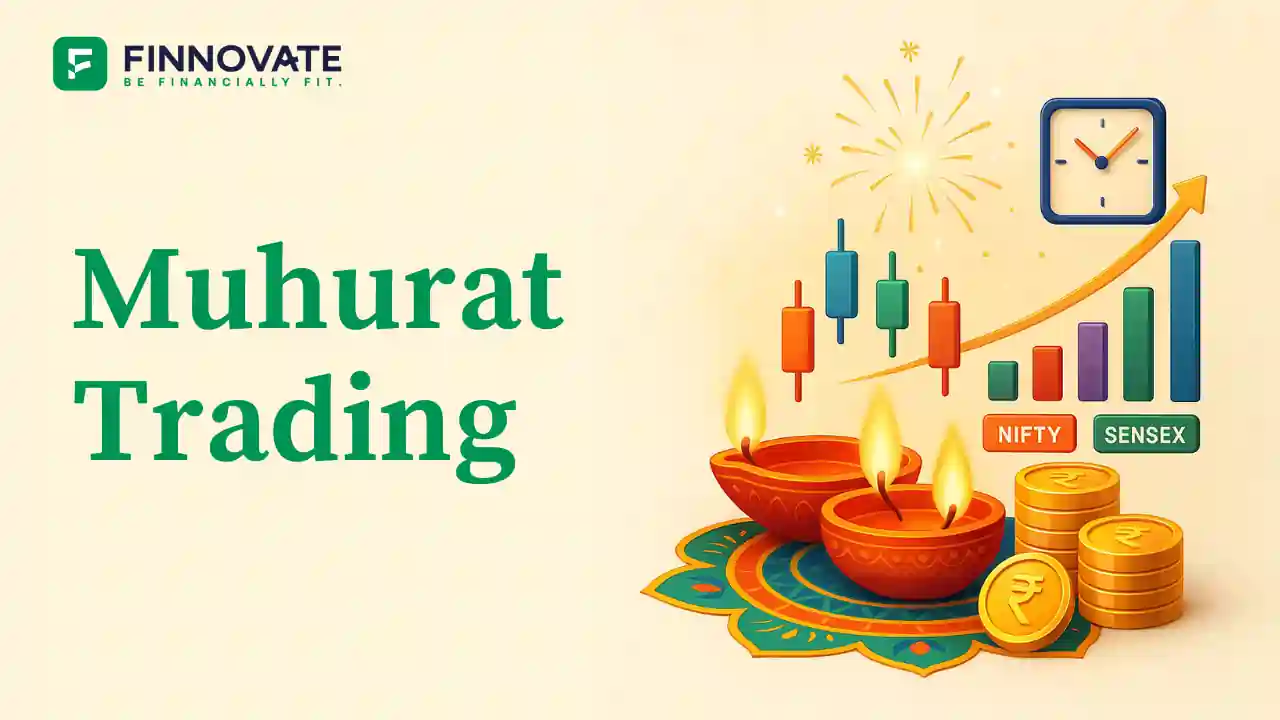
Muhurat Trading 2025 is on Tue, Oct 21 (1:45–2:45 pm). Meaning, significance, official t...
Popular now

Learn how to easily download your NSDL CAS Statement in PDF format with our step-by-step g...

Looking for the best financial freedom books? Here’s a handpicked 2026 reading list with...
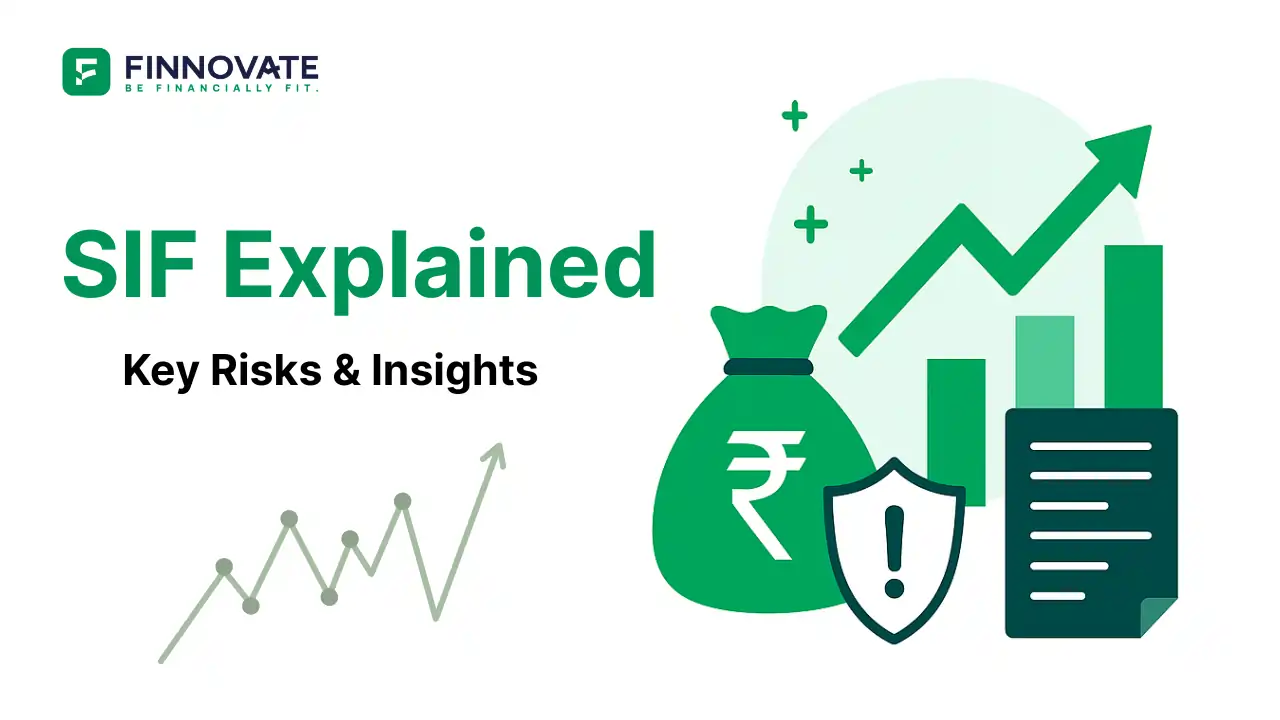
Learn what SIF investment means in India, SEBI rules, Rs 10 lakh minimum investment, avail...
Clear guide to mutual fund taxation in India for FY 2025–26 after July 2024 changes: equ...