
Financial Fitness Explained: The 6 Key Pillars for a Healthy Money Life
Understand financial fitness and the 6 essential pillars to secure your financial future. Learn goal planning, budgeting, investments, and more.
Finnovate financial planning learning centre
Learn how to manage your money, plan for important goals, build an emergency fund and make financial decisions that work together.
64 articles on money management, goals, emergency funds, life stages and financial advice, newest added Oct 29, 2026.
Start here: the financial planning basics
What financial planning means in India, why it matters, and five simple steps to get a plan started.
Read the guideNext reads: Goal-Based Financial PlanningFinancial Planning vs Investing
FinnFit covers six parts of a financial plan. Start with the existing quick test to identify areas you may want to review.
13 questions on your goals, investments, tax, insurance, loans and estate documents, with a score at the end.
Take the quick testThe test may ask for your contact details to deliver the results. A fuller assessment is listed on that page as coming soon.
Six groups, each with one guide to read first and a few to go deeper. Start with the question you are facing now.
The six parts of a healthy money life, how planning differs from investing, and the difference between saving and investing.
Understand financial fitness and the 6 essential pillars to secure your financial future. Learn goal planning, budgeting, investments, and more.
Putting a date and a number on each goal, and deciding what a windfall should do.
These guides explain the method. Which product suits a goal is a separate decision covered in the Investments hub.
Goal-based financial planning links every investment to a specific life goal.
Saving versus investing, how credit cards shape a plan, and an annual checklist to keep the household on track.
Borrowing, EMI and prepayment decisions have their own category. The link below takes you there.
Confused between saving and investing? Learn a simple, practical framework to decide how much to save, how much to invest, and what to prioritise at each life…
How many months to keep, where the money should sit, and how a health check-up fits in.
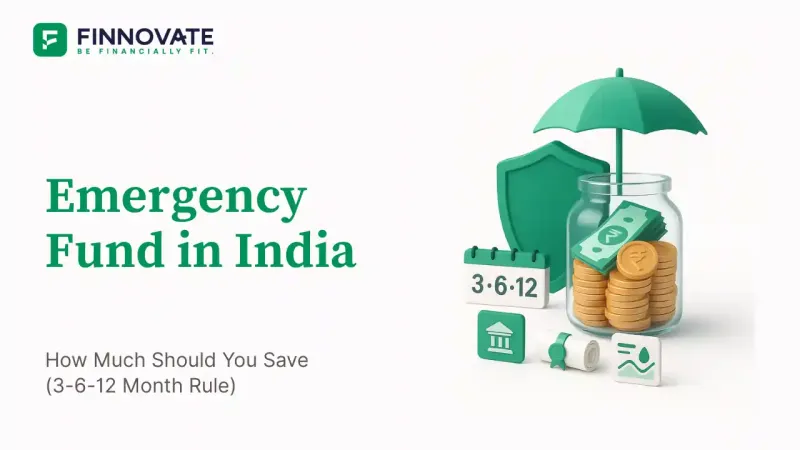
Wondering how much emergency fund you need in India? Learn the 3–6–12 month rule, where to keep it (FD, liquid funds, savings), and smart steps to build yours.
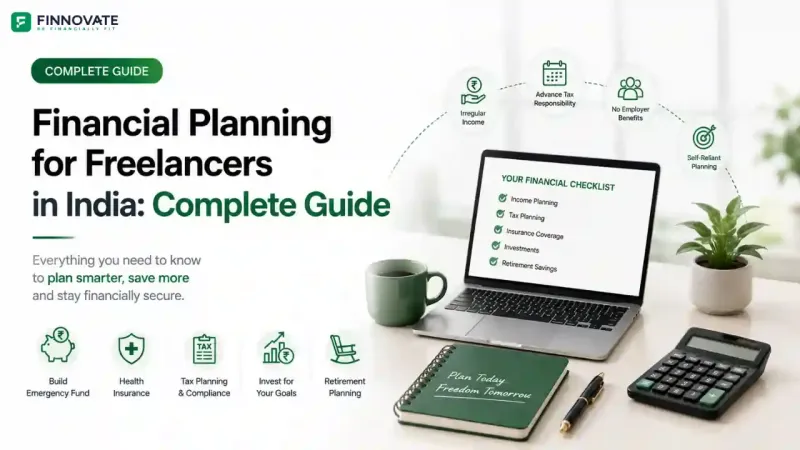
Double-income couples, newly married couples, freelancers and parents each plan differently.
Financial planning for DINK couples in India covering cash flow, emergency funds, investments, FIRE, retirement, parents, insurance and estate planning.
How to pick an adviser, whether to do it yourself, and how advisers are paid.
These are educational guides. How an adviser is compensated varies, so ask directly before engaging anyone.
Learn how to choose a financial advisor in India. Verify SEBI registration, fees, experience, conflicts, services and warning signs before hiring.
Six things every plan starts from. Nothing here is collected or scored; use it as a reading order.
Keep the answers with you or your adviser. This page does not ask for, store or send any of it.
Annual Personal Finance Checklist 2026 walks through a full yearly review.
Existing Finnovate tools that put numbers to the guides above. They estimate; they do not advise.
13 questions across six parts of a financial plan, with a score at the end.
Take the testHow many months of expenses to set aside, based on your situation.
Open toolThe monthly SIP a goal needs, given its amount, date and an assumed return.
Open toolThe newest articles in the Financial Planning category.
Every article in the Financial Planning category, newest first. Search by title or summary, or filter by topic. Page 1 of 6.
Understand how Finnovate reviews goals, cash flow, loans, protection, investments and other planning needs together. The guides on this page are educational and not advice for your situation.
Explore Financial Planning